What causes cloudy tap water? Cloudy tap water can be an unsettling sight. Whether it’s a sudden change in your water quality or a recurring issue, it’s natural to wonder what’s causing this cloudiness and if it’s safe to drink. In most cases, cloudy water is completely harmless, but understanding the root causes and knowing when to seek help can ensure your drinking water remains safe and clear. In this article, we’ll explore the most common causes of cloudy tap water, how to address them, and when you should contact a professional for assistance.
What is Cloudy Tap Water?
When tap water appears cloudy, it typically takes on a milky or whitish tint. This cloudiness may seem concerning at first, but in many cases, it’s simply the result of air bubbles or natural mineral content in the water. While it’s common for water to clear up after a few seconds, it’s important to determine what causes the cloudy water in the first place.
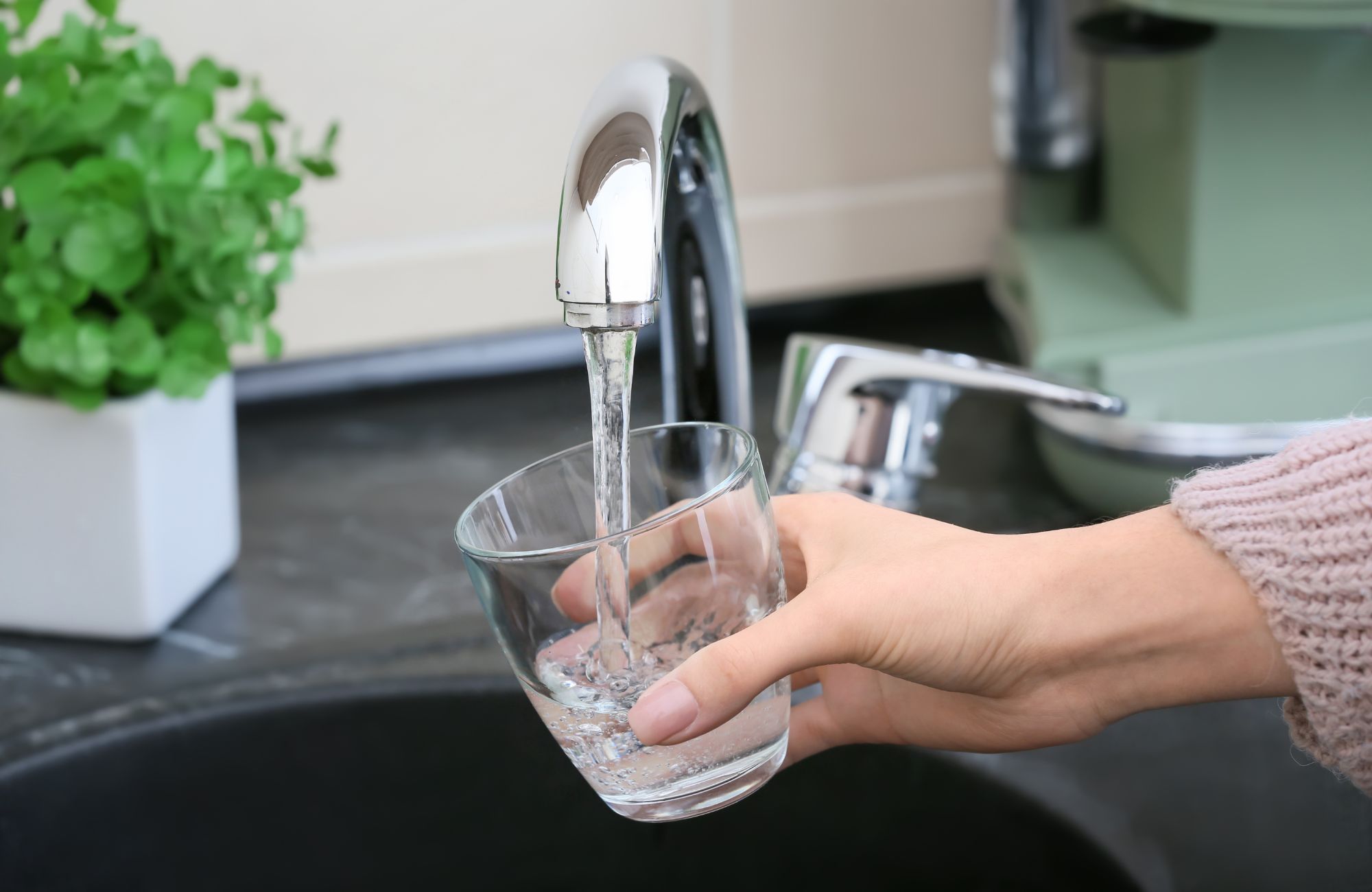
According to the Drinking Water Inspectorate, it is most often the result of tiny air bubbles trapped within the flow, commonly occurring after nearby water has been turned off or restored. You can quickly verify this by filling a glass and watching the water clear from the bottom up. This phenomenon frequently follows events such as a burst water main or the reconnection of a main after maintenance work. In most cases, the cloudiness is temporary and dissipates within 24 hours.
What Causes Cloudy Tap Water? The Top Reasons
Cloudy tap water can be caused by several factors, ranging from harmless air bubbles to mineral buildup or plumbing issues. Let’s break down the most common causes:
Tiny Air Bubbles & Trapped Air in Water
Tiny air bubbles commonly cause cloudy tap water. Cold water holds more air than warm water, and when it comes out of the faucet under pressure, the bubbles escape and remain suspended in the water, creating a cloudy appearance. The cloudiness is more noticeable in cold water because it traps more air than hot water.
High Water Pressure and Sudden Temperature Changes
In some instances, high water pressure can cause excess air to be trapped in your plumbing system. When you turn on the faucet, this air is released, causing cloudy tap water. If the water pressure fluctuates or there are significant changes in the water temperature, such as turning on hot water after a cold shower, it can lead to cloudy water due to trapped air escaping.
If the cloudiness clears up shortly after turning on the faucet, this is likely just a result of the air being released from the water. It’s harmless, and the cloudiness should dissipate within a short period. However, if the cloudiness is persistent or only occurs in one part of your home, you may need to check the water pressure or your plumbing system for any issues.
Hard Water and Mineral Content
Another frequent cause of cloudy water is hard water, which contains high levels of minerals like calcium and magnesium. These minerals can cause the water to appear cloudy, particularly in areas with high mineral content in the water supply. If you live in an area with hard water, you may notice cloudy or chalky white deposits around faucets or in the bottom of your glass of water.
In addition to cloudiness, hard water can also lead to limescale buildup inside pipes, appliances, and water heaters, affecting your plumbing system’s efficiency. The minerals in hard water don’t dissolve well in hot water, which can result in hot water cloudy appearances when heated. This type of cloudiness is usually harmless but can affect water flow and the efficiency of your appliances over time.
Sediment and Total Suspended Solids
Sediments, such as sand or dirt, can also cause cloudy water, especially if your water comes from a private well or an untreated municipal system. Sediment or total suspended solids (TSS) enter the water supply either at the source or through plumbing issues, creating the cloudiness.
If the water is visibly cloudy and stays that way for an extended period, it could indicate that there’s sediment in the water. This is more common in well water, but can also occur if there’s a disruption in the municipal water supply or a failure in the water treatment process. If sediment is present, it’s important to filter your water to avoid ingesting potentially harmful particles.
Is Cloudy Tap Water Safe to Drink?
In most cases, cloudy water caused by air bubbles is perfectly safe to drink. Tiny air bubbles do not affect the water’s safety and will naturally dissipate after a short period. Air bubbles form as a result of dissolved gases in the water, and once the pressure is released through the faucet, the water clears up.
However, if your tap water remains cloudy and you notice other unusual characteristics, such as reddish-brown water, a strange taste, or a foul smell, it’s a good idea to have the water tested for harmful contaminants or bacteria. Persistent cloudiness may also be a sign of problems with your water system or plumbing system, which could require professional attention.
How to Fix Cloudy Tap Water: Simple Solutions
There are several ways to clear cloudy tap water, depending on the underlying cause. If the cloudiness is caused by air bubbles, the solution is simple: let the water sit for a few minutes, and it will clear up on its own. However, if the cloudiness is due to hard water, sediment, or other mineral buildup, you may need to take additional steps.
Flushing Your Pipes
If you experience cloudy water caused by air bubbles or trapped air, one of the simplest solutions is to run the faucet for a few minutes. This will allow the air to escape and clear the water. If you’re noticing the issue throughout your home, you can flush your pipes by running all the faucets for a few minutes to remove any trapped air.
Installing a Filtration System
If your tap water is cloudy due to hard water, sediment, or other impurities, installing a filtration system is a good option. A water softener can help remove calcium and magnesium from the water, which reduces cloudiness and prevents chalky white deposits. Additionally, a reverse osmosis filtration system can remove total dissolved solids and improve the overall quality of your drinking water.
Check Your Water Heater
If you notice cloudiness in your hot water, it could be due to sediment or mineral buildup in the water heater. Flushing the tank regularly can help reduce sediment accumulation and prevent cloudy hot water issues. If flushing the water heater doesn’t resolve the issue, it may be time to replace the unit.
Conclusion
If the cloudiness in your water persists or worsens over time, or if you notice additional issues such as unusual colors or odors, it’s important to call a professional plumber or water quality expert. A professional can perform a water test to check for harmful contaminants or bacteria and ensure your plumbing system is functioning correctly. They can also offer advice on how to improve your water quality and recommend any necessary repairs or upgrades.
If your tap water remains cloudy or you have concerns about its safety, contact Prestige Water Group today. Contact us today to inspect your plumbing system and provide solutions to ensure your water is clean, clear, and safe to drink.
FAQs
Is it safe to drink cloudy water from the tap?
In most cases, tiny air bubbles cause cloudy tap water, and it is completely safe to drink. The cloudiness clears naturally within a few minutes as the air rises and escapes. However, if the water remains cloudy, especially when hot, or develops an unusual taste, odor, or color such as reddish-brown, have a professional test it for contaminants or bacteria. When in doubt, consult an expert to ensure your water is safe.
How to fix cloudy tap water?
To fix cloudy tap water caused by air bubbles, simply run the tap for a few minutes, allowing the air to escape. If the issue is due to hard water or sediment, consider installing a water filtration system or softener to remove excess minerals and particles. For persistent problems, especially in hot water or isolated faucets, contact a licensed plumber to inspect your plumbing system or water heater.
How to get cloudiness out of water?
To remove cloudiness caused by air bubbles, just run the faucet for a few minutes. The air should dissipate, clearing up the water. For hard water or sediment cloudiness, installing a water softener or filtration system will help. If the cloudiness remains or worsens, it’s best to have your water tested for contaminants or consult a plumber for further diagnosis.
What causes tap water to go cloudy?
Cloudy tap water is most commonly caused by air bubbles that form when water is pressurized and then released. This cloudiness is typically harmless and clears up quickly. Other causes include high mineral content in hard water, sediment entering your water supply, or issues with your water heater. In these cases, the cloudiness may persist and require solutions like filtration or plumbing adjustments.