Introduction to Water Heaters
To install a water heater, it is essential to recognize that a water heater is a central component of your home’s plumbing system. It provides heated water for daily tasks like bathing, cleaning, and cooking. When properly installed and maintained, a water heater ensures comfort and efficiency while minimizing safety risks and energy waste.
There are several types of water heaters commonly used in homes:
- Electric water heaters are easy to install and operate quietly.
- Gas water heaters offer faster heating and lower long-term operating costs.
- Tankless water heaters provide hot water on demand and save space.
Choosing the right water heater type, brand, and size can significantly impact your household’s comfort and monthly utility bills. Understanding how your water heater works and how it connects to your plumbing system can help you make informed decisions during installation or replacement.
Safety Precautions
Working with a water heater involves handling electricity, gas connections, and pressurized water. Safety must come first to prevent issues like gas leaks, electrical shock, or burns from overheated water. Always follow the manufacturer’s instructions and your local building codes.
Key safety practices include:
- Shutting off the power and gas supply before beginning any work
- Checking for proper ventilation to avoid dangerous gas buildup
- Using a drain pan and discharge pipe to catch water leaks and prevent flooding
- Ensuring the relief valve and temperature settings are within safe ranges
If you’re unsure about any step, a plumber’s installation can ensure the job is done safely and correctly.
Choosing the Right Water Heater
When it’s time for a new water heater installation, homeowners should consider several factors to meet their household needs:
- Fuel source: electric vs gas
- Capacity: measured in gallons or GPM (gallons per minute) for tankless models
- Energy efficiency: Look for ENERGY STAR-certified models
- Space: Tankless units are compact, while traditional tanks need clearance
For example, a family of four may need a 50-gallon electric water heater or a whole-home tankless system. You’ll also want to consider warranty options, ease of maintenance, and the water heater’s first-hour rating to ensure it meets peak demand.
Installation Preparation
Before beginning installation, careful preparation is essential. First, confirm your new water heater meets local codes and you’ve secured any necessary permits. Then gather the following tools and supplies:
- Drain pan
- Flexible stainless steel connectors
- Pipe joint compound or plumber’s tape
- Appliance dolly or hand truck
- Garden hose to drain the old unit
Shut off the cold water supply, gas (if applicable), and electrical power. Use a hose and a drain valve to empty the tank. Ensure the area is clear and the ventilation is functional. You may also want to install an expansion tank if required by local regulations.
Installing the Water Heater
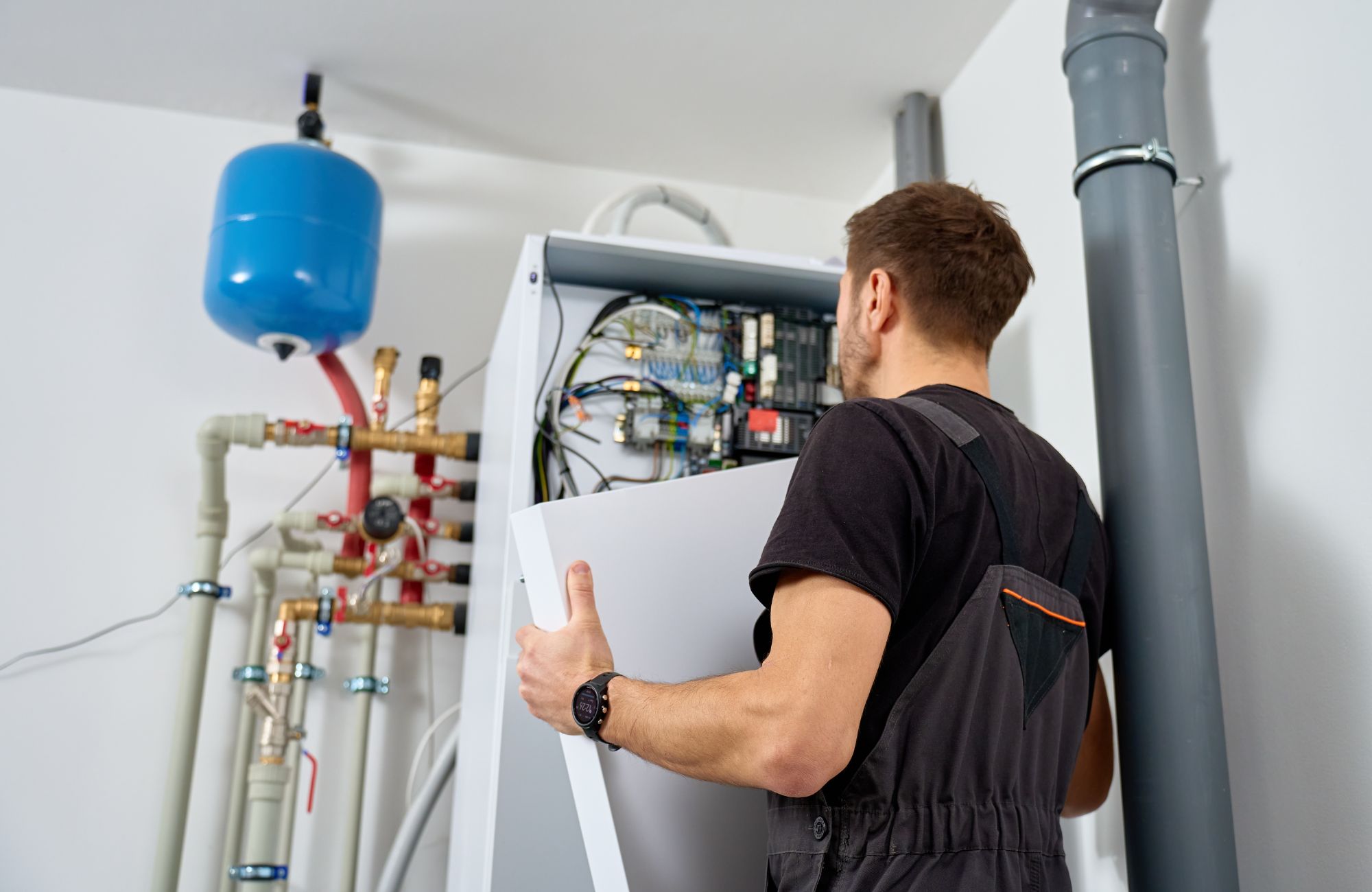
Water heater installation involves multiple connections and requires close attention to safety. Start by placing the new heater into a drain pan and ensuring it is level.
- Cold water lines: Connect the cold water supply using compression fittings and flexible connectors.
- Hot water lines: Connect the hot water outlet similarly.
- Discharge pipe: Attach to the pressure relief valve and route toward the drain.
- Gas line: If applicable, use a gas control valve, and apply pipe joint compound to seal threaded joints.
- Electrical wiring: Connect wires securely to the electrical junction box, grounding them as required.
Once installed, open the water supply and check all connections for leaks. Then, restore power or relight the pilot light to begin heating.
Connecting the Water Lines
Proper plumbing connections ensure consistent hot water flow and pressure. Use flexible stainless steel connectors for ease and durability. Always align with the cold inlet and hot outlet markings.
Secure fittings with pipe joint compound to prevent leaks. Avoid over-tightening plastic pipe connections, which can crack under pressure. After all connections are secure, open a hot water faucet to purge air from the system and test the pressure.
Gas Line Connections
Proper gas line installation is critical for the safe operation of a gas water heater. Start by applying pipe joint compound to all threaded gas fittings, then install a shutoff valve within easy reach of the unit. Use two wrenches to tighten joints securely without over-torquing, and always check for leaks using a soapy water solution; bubbles will indicate a leak. Be sure to follow the manufacturer’s printed instructions and comply with local building codes. If you’re unsure about any step, it’s best to hire a licensed professional to prevent safety hazards such as gas leaks or fire.
Electrical Connections
Electric water heaters must comply with your local electrical code. Before connecting:
- Turn off the circuit breaker
- Remove the junction box cover and connect wires securely
- Match color-coded wires (black to black, white to white, ground to bare or green)
- Secure connections with wire nuts and reinstall the cover
Use a non-contact tester to ensure power is off before working. After all connections are complete, restore power and verify the heater is operating.
Maintenance and Repair
Regular maintenance is essential for extending the life of your water heater and preventing plumbing issues. Important tasks include flushing the tank annually to reduce sediment buildup and bacterial growth, inspecting the relief valve to ensure it’s functioning properly, and checking that the temperature is set to a safe 120°F to prevent scalding. Replacing worn anode rods and gaskets as needed also helps maintain efficiency and prevent leaks. Addressing small issues promptly can avoid costly repairs down the line, and keeping a maintenance record helps preserve your water heater warranty.
Troubleshooting Common Issues
Even with maintenance, problems can arise. Here are common water heater problems and their fixes:
- No hot water: Check the power supply or pilot light
- Water leaks: Inspect fittings, the drain valve, and the tank base
- Low water pressure: May result from clogged pipes or valves
- Strange noises: Often caused by sediment buildup
Refer to the manufacturer’s instructions for troubleshooting or contact a licensed plumber for more complex issues.
Water Heater Efficiency
Improving water heater efficiency not only reduces energy waste but also helps lower utility bills. You can boost efficiency by insulating the tank and hot water pipes, lowering the thermostat to 120°F, using a thermostatic mixing valve to better regulate water temperature, and installing a smart timer to control heating cycles. For even greater long-term savings, consider upgrading to a tankless or heat pump water heater, both of which offer enhanced performance and energy efficiency.
Local Regulations and Codes
All water heater installations must meet local building codes. Requirements may include:
- Mandatory use of drain pans and discharge pipes
- Permits for new water heater installation
- Pressure-rated parts for safety
- The installer must be a licensed plumber
Ignoring these codes related to temperature and pressure can result in fines or safety hazards.
DIY vs. Professional Installation
While confident homeowners can attempt water heater replacement, hiring a licensed plumber offers peace of mind. Pros understand:
- Complex gas and electrical connections
- Compliance with local codes
- Fast, safe installation that protects your investment
DIY may save money initially, but can lead to costly repairs if something goes wrong.
Water Heater Types
There are several types of water heaters to choose from:
- Electric water heaters: Easy to install, ideal for smaller homes
- Gas water heaters: Heat water quickly and cost less to operate
- Tankless water heaters: Space-saving, energy-efficient, endless hot water
- Heat pump water heaters: Extremely efficient but cost more upfront
Choosing the right type depends on your budget, space, and hot water demand.
Water Heater Size
Choosing the right water heater size is crucial for balancing comfort and energy efficiency. An undersized unit may leave you without hot water during peak times, while an oversized one can lead to unnecessary energy costs. Proper sizing depends on the number of household occupants, peak usage activities like showers or laundry, and the unit’s first-hour rating. To ensure you select the most efficient option, consult a licensed plumber who can calculate the ideal tank size or flow rate based on your home’s specific hot water needs.
Water Heater Brands
When selecting a water heater, it’s important to choose a reputable brand known for reliability and performance. Popular options include Rheem, AO Smith, Bradford White, and tankless models from Navien and Rinnai. Before making a purchase, compare each brand’s warranties, energy efficiency ratings, and customer reviews to find the best fit for your household’s needs and budget.
Water Heater Warranties
A good warranty can save you hundreds in repair costs. Look for:
- 6–12 year coverage on tanks and parts
- Options to extend the warranty at the time of purchase
- Easy-to-access customer service
Keep documentation and maintenance records to ensure eligibility.
Disposal and Replacement
When replacing a water heater, it’s important to dispose of the old unit responsibly and by local regulations. Common disposal options include curbside pickup (where permitted), recycling centers, or retailer haul-away programs offered during delivery of the new unit. A licensed plumber can often manage the removal and disposal process for you, ensuring everything is handled safely and legally.
Permits and Licenses
Some jurisdictions require permits for installation or replacement. Be sure to:
- Check local regulations
- Confirm your plumber is licensed and insured
- Retain copies of permits and inspection results
Failure to comply can delay home sales or insurance claims.
Tools and Supplies
For a safe and efficient water heater installation, it’s essential to have the right tools and supplies on hand. Key items include a drain pan, flexible connectors, pipe joint compound, compression fittings, a hand truck or appliance dolly for easy transport, and a non-contact voltage tester to ensure electrical safety. Using high-quality materials not only streamlines the installation process but also helps prevent future issues and supports long-term performance.
Signs You Need a New Water Heater
Knowing when to replace your water heater can prevent unexpected breakdowns and costly repairs. Signs include inconsistent water temperature, discolored or rusty water, unusual noises coming from the tank, visible corrosion, and leaks around the base. If your unit is more than 10–12 years old, it may be nearing the end of its life span, even if it’s still functioning. Regular maintenance can extend their service life, but aging units often lose efficiency and reliability over time.
Benefits of Professional Water Heater Services
Hiring a licensed plumber for your water heater needs ensures the job is done correctly, safely, and in compliance with local codes. Professionals can assess your household’s hot water needs, recommend the best unit type and size, and handle complex installations involving gas or electrical systems. They also provide warranties, routine maintenance services, and expert diagnostics that save time and money in the long run. With professional help, homeowners can avoid common installation mistakes and enjoy peace of mind knowing their system is built to last.
Conclusion
Understanding water heater plumbing and following the installation instructions is essential for maintaining comfort, safety, and efficiency in your home. Whether you’re planning a new installation or replacing an old water heater, having the right knowledge, tools, and professionals on your side can save you time and costly repairs in the long run.
Dealing with inconsistent hot water or planning a new water heater installation? Prestige Water Group provides professional water heater plumbing services across Northern New Jersey. Whether you need expert repairs, a replacement, or energy-efficient upgrades, our licensed plumbers are here to help. Call (973) 227-4740 or email info@pwgroupnj.com to book your service today.
FAQs
Is hot water heater part of plumbing?
Yes, a water heater is a key part of your home’s plumbing system. It connects to your water supply and distributes heated water to fixtures throughout the house.
Can a water heater cause plumbing problems?
Yes, if not properly maintained, it’s important to check connections, as water heaters can leak, cause low pressure, or lead to corrosion in your plumbing. Regular inspections help prevent these issues.
Is a water heater a plumbing fixture?
Technically, no. It is considered a plumbing appliance rather than a fixture, which typically refers to sinks, toilets, or showers.
How does hot water plumbing work?
Cold water enters the heater via a supply line, where it’s heated and sent through hot water lines to faucets and appliances. Pressure and temperature regulation ensure consistent delivery.