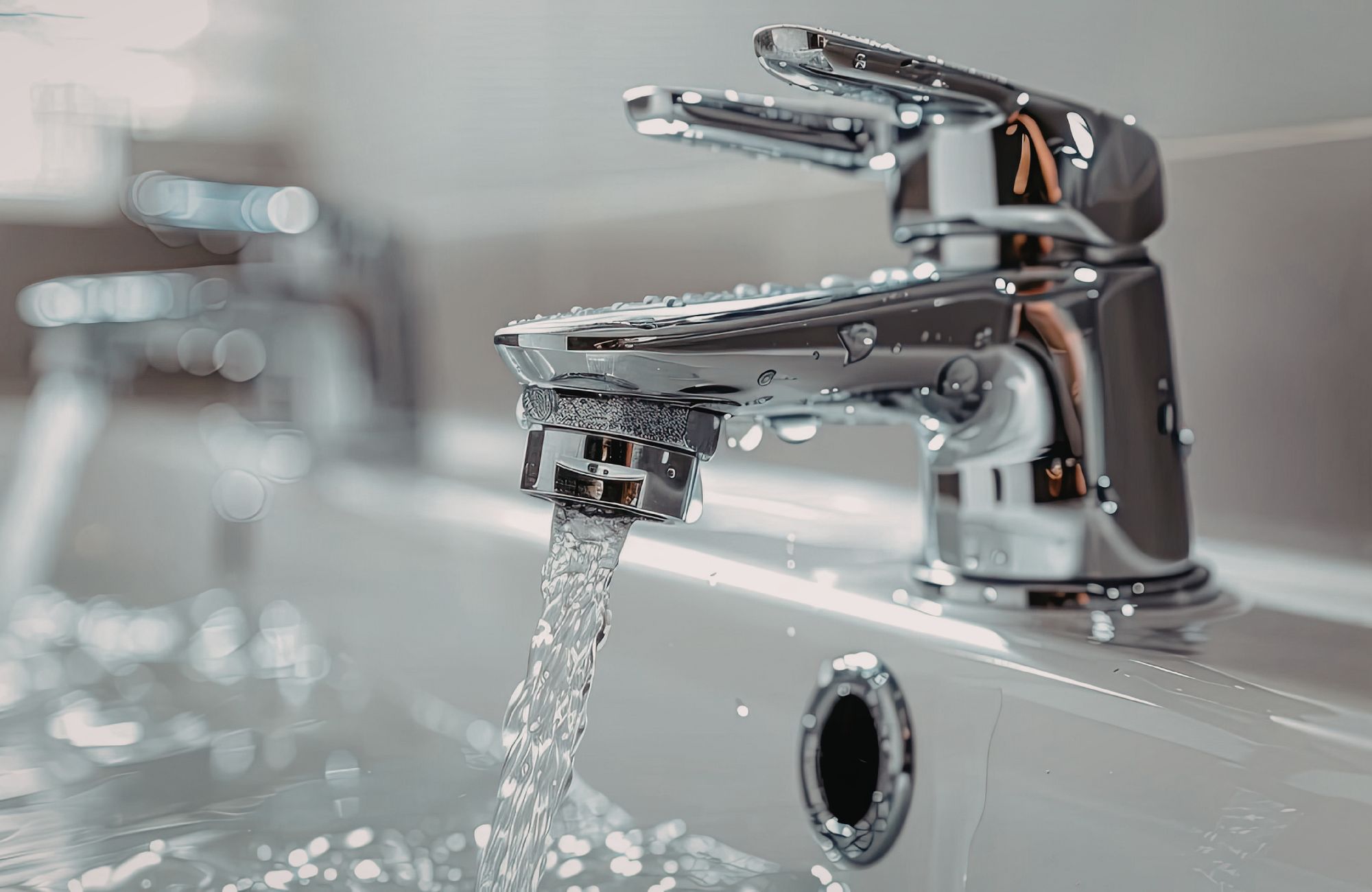
A faucet aerator is a small but essential part of your faucet. It controls the water flow, reduces splashing, and saves water by mixing air with the stream. However, over time, mineral buildup from hard water can clog the aerator, leading to less water flow and reduced pressure. Cleaning your faucet aerator is a simple task that can restore your faucet’s performance.
In this guide, we’ll walk you through how to clean faucet aerator step-by-step, so you can keep your kitchen and bathroom faucets running smoothly.
Why Clean Your Faucet Aerator?
Faucet aerators are crucial for maintaining efficient water flow and minimizing splashing. Over time, minerals like calcium and lime can build up in the small screen of the aerator. This buildup restricts water flow, lowers water pressure, and can even cause the faucet to spray unevenly.
By cleaning your aerator regularly, you can:
- Improve water pressure: A clean aerator helps ensure a steady and strong flow of water.
- Prevent clogging: Cleaning removes debris and mineral buildup that can block water flow.
- Save on water bills: A properly functioning aerator ensures you’re using water efficiently.
Tools You’ll Need to Clean a Faucet Aerator
Before you start cleaning your faucet aerator, gather the following tools:
- Faucet aerator wrench (aerator key): This tool helps you unscrew the aerator from the faucet.
- Pliers: Used when the aerator is stuck and difficult to remove.
- Small brush (old toothbrush): For scrubbing the aerator and cleaning the small screen.
- Vinegar: Used to soak the aerator and dissolve mineral buildup.
- Masking tape: Helps protect your faucet’s finish while using tools.
- A bucket or small container: To soak the aerator parts in vinegar.
How to Clean a Faucet Aerator: Step-by-Step Instructions
Over time, mineral deposits and debris can clog your faucet aerator, causing low water pressure or uneven flow. The good news? Cleaning it is quick, simple, and requires only a few household items. Follow these steps to restore smooth water flow.
Step 1: Turn Off Water Supply
Before you begin, turn off the water supply to avoid any splashing when you remove the aerator. Simply turn the faucet handle to the off position.
Step 2: Unscrew the Aerator
Use an aerator key or a pair of pliers to unscrew the aerator from the faucet. You may need to wrap masking tape around the aerator to protect the finish of the faucet while you work. If the aerator is stuck, carefully twist and loosen it with the pliers, making sure not to damage the threads.
Step 3: Inspect the Aerator
Once removed, check the aerator for visible buildup or cracks. The small screen inside the aerator may have debris, mineral deposits, or dirt blocking the holes. If the screen is clogged, it’s time to clean it.
Step 4: Soak the Aerator in Vinegar
To remove the mineral buildup, fill a small container with vinegar and place the aerator inside. Soak the aerator for at least 30 minutes. If the buildup is heavy, you may need to leave it in the vinegar for an hour or longer.
Step 5: Scrub the Aerator
After soaking, take the aerator out of the vinegar and use a small brush or an old toothbrush to scrub the aerator. Focus on the small screen and the holes, as these areas are where most of the buildup occurs. Scrub gently to avoid damaging the aerator.
Step 6: Rinse the Aerator
Once the buildup has loosened, rinse the aerator under cold water to remove any remaining vinegar and debris. Check for any leftover mineral deposits and scrub again if needed.
Step 7: Reassemble and Install the Aerator
Once clean, reassemble the aerator parts and screw it back onto the faucet. Make sure it is tightly secured, but don’t overtighten, as this can cause damage. Turn on the water to test the flow. You should notice a significant improvement in water pressure and flow.
Alternative Methods to Clean Faucet Aerators
If you don’t want to remove the aerator, there are alternative ways to clean it:
Using a Vinegar Bag Soak
If you’re unable to remove the aerator or prefer not to disassemble it, you can tie a plastic bag filled with vinegar around the faucet. Secure it with a rubber band or string and leave it in place for 30–60 minutes. The vinegar will dissolve the buildup without needing to unscrew the aerator.
Cleaning Without Removal
If the aerator is easily accessible, you can try running a faucet brush or small cleaning tool through the screen to dislodge debris. However, this method is less effective than a complete soaking.
Troubleshooting Common Faucet Aerator Issues
Even after cleaning your faucet aerator, you might still run into a few problems. Don’t worry. Most aerator issues are simple to fix with basic tools and a little patience. Here’s how to handle the most common ones.
Stuck Aerator
If the aerator is stuck, don’t force it off. Use pliers or an aerator wrench to carefully loosen it. You can also apply vinegar to the threads and let it sit for a while to help dissolve any mineral buildup around the aerator.
Low Water Flow After Cleaning
If the water flow remains low after cleaning, check for any remaining debris in the aerator or inside the faucet. You may need to replace the aerator if it is cracked or damaged. In some cases, a water main break may also affect water pressure.
Water Splashing
If your faucet starts splashing after cleaning the aerator, it may be incorrectly assembled or the aerator screen may be damaged. Check that the aerator is tightly secured and that no parts are cracked.
How Often Should You Clean Your Faucet Aerator?
It’s a good idea to clean your faucet aerator every 3 to 6 months, depending on the water quality in your area. If you have hard water, you may need to clean the aerator more frequently.
Signs You Need to Clean Your Aerator
- Less water flow: If the faucet is spraying unevenly or the water pressure seems lower than usual.
- Visible buildup: If you notice mineral deposits or discoloration on the aerator screen.
- Water splashing: If your faucet starts splashing water when turned on.
Final Tips and Best Practices for Faucet Aerator Maintenance
- Regular cleaning of your faucet aerators will help prevent costly repairs and improve your faucet’s lifespan.
- Use vinegar regularly to prevent mineral buildup, especially in areas with hard water.
- If your aerator is cracked or damaged, it’s time to replace it.
- Always use an aerator wrench or pliers with caution to avoid damaging your faucet.
Conclusion
Cleaning your faucet aerator is a quick and easy task that can restore water pressure and prevent future plumbing issues. Regular cleaning keeps your faucet working efficiently and extends its lifespan. If you need help with any plumbing issues, from cleaning aerators to fixing leaks, Prestige Water Group for professional and reliable service is here.
If your faucet aerator is stuck or damaged, or if you’re experiencing ongoing plumbing issues, don’t hesitate to contact us today. Our licensed plumbers are available 24/7 to help with any plumbing problem, big or small. Call us today for prompt, professional service.
FAQs
How do I know if my faucet has an aerator?
Faucet aerators are typically found at the tip of most kitchen and bathroom faucets. Look for a small mesh screen inside the faucet’s spout.
Can I clean my faucet aerator without removing it?
Yes, you can tie a plastic bag of vinegar around the faucet and let it soak. This method doesn’t require removing the aerator.
How do I fix a broken faucet aerator?
If your aerator is cracked or damaged, it’s best to replace it with a new one. Aerators are inexpensive and easy to replace.
How do I clean faucet aerators on bathroom faucets?
The process is the same for bathroom faucets as for kitchen faucets. Remove the aerator, soak it in vinegar, scrub it clean, and reinstall it.