Water leaks can go unnoticed for weeks or even months, causing structural damage, mold growth, and shockingly high water bills. Learning how to find a water leak in your house is essential for preventing costly repairs and conserving water. Whether it’s a slow leak under the sink or hidden leaks behind your walls, the sooner you detect the problem, the better.
This guide will walk you through practical steps and expert-recommended techniques for identifying both obvious and hidden leaks in your plumbing system. We’ll also explore when it’s time to call a plumber, what modern technology can do to help, and how leak detection can ultimately save you money and protect your home.
Assessing Your Water Usage
Before diving into individual fixtures or problem areas, start by looking at the big picture. Your water usage patterns can provide the first signs of a leak, especially if you’re seeing unusual increases in consumption or billing.
Check Your Water Meter
The water meter is one of the most reliable tools for leak detection. It measures the total volume of water entering your home and can help determine whether water is flowing when it shouldn’t be.
- First, turn off all water-consuming appliances, such as dishwashers, washing machines, and irrigation systems.
- Locate your water meter, which is often in a utility room, basement, or outside near the street.
- Take note of the meter reading and ensure no one uses water for at least two hours.
- Recheck the meter. If the numbers have changed, there’s a leak somewhere in your plumbing network.
This simple test can help determine if you have a hidden leak, even if you can’t see or hear one.
Review Your Water Bill
Monitoring your water bill is another helpful way to spot a plumbing leak early. Bills tend to stay consistent month-to-month, so an unexplained spike is a red flag.
- Compare your current bill with past bills, ideally over the past 12 months.
- Look for sudden increases that don’t correlate with changes in water use, such as hosting guests or filling a pool.
- If your bill shows a significant spike and your habits haven’t changed, you likely have a slow leak somewhere in your system.
Even small leaks, like a leaky faucet or running toilet, can waste hundreds of gallons over time.
Detecting Leaks Indoors and Outdoors
Once you suspect a leak, it’s time to inspect individual components of your plumbing system. From faucets to outdoor hoses, each fixture is a potential culprit.
Inspect Your Faucets and Fixtures
Faucets are among the most common causes of wasted water. A few drops per minute can add up to gallons over a day.
- Check all sinks, bathtubs, and showerheads for visible leaks or slow drips.
- Listen for intermittent dripping, especially overnight when the house is quiet.
- Tighten connections and replace worn-out parts like O-rings, washers, and seals.
It’s also a good idea to look under sinks for pooling water, damp cabinets, or signs of mold, which often indicate a plumbing leak.
Examine Toilets for Leaks
Toilets can waste large amounts of water through silent leaks, often due to issues inside the tank.
- Remove the tank lid and listen for hissing or running water.
- Add a few drops of food coloring or dye to the tank and wait 15 minutes.
- If color appears in the toilet bowl without flushing, your flapper valve is leaking.
Toilet leaks are one of the most overlooked yet costly issues, as they can waste hundreds of gallons per day if left unchecked.
Check Water-Using Appliances
Appliances like dishwashers, washing machines, and water heaters are frequently responsible for hidden leaks.
- Inspect the areas behind and beneath these units for water stains, dampness, or pooling water.
- Check the hoses and supply valves for cracks or corrosion.
- Water softeners and ice makers should also be checked, especially if they run automatically.
Regular maintenance of these appliances can prevent small leaks from becoming major problems.
Check Exterior Areas
Water leaks outside your home can be just as damaging, especially if they seep into your foundation or basement.
- Inspect outdoor faucets (hose bibs) and irrigation systems for dripping or pooling water.
- Make sure gutters and downspouts are directing water away from the house.
- Examine the front yard and surrounding soil for unusually damp spots or erosion.
Leaks in irrigation systems are particularly tricky, as they often occur underground. If you notice soggy areas or water pooling even when the system is off, consider a professional inspection.
Detecting Hidden or Silent Leaks
Hidden leaks are more difficult to detect but often more dangerous due to their impact over time. They can occur behind walls, under floors, or within the ceiling, and may go unnoticed until visible damage appears.
Listen for Unusual Sounds
Even when no water is running, you might hear water moving through your pipes. Hissing, trickling, or tapping sounds can be indicators of a leak.
- Walk through your home and listen closely to walls, floors, and ceiling spaces.
- Pay special attention to basements, laundry rooms, and crawl spaces.
- A sound-based inspection is especially helpful at night when background noise is minimal.
Look for Signs of Moisture
Visible signs often emerge only after water has been leaking for some time.
- Look for water stains on ceilings or walls.
- Peeling paint, warping drywall, or bubbling plaster are often caused by damp conditions.
- Mold or mildew smells in closed spaces could signal water damage nearby.
Monitor Water Pressure
High water pressure may feel great in the shower but can put a strain on your plumbing system.
- Use a water pressure gauge to check your home’s pressure levels.
- Ideal pressure ranges from 40 to 60 psi; anything over 80 psi should be corrected with a pressure regulator.
- High pressure can worsen small leaks or cause new ones in weak pipe joints.
When to Call a Professional
Sometimes, despite your best efforts, a leak is too well hidden or complex to trace. That’s when it’s best to call in a licensed plumber.
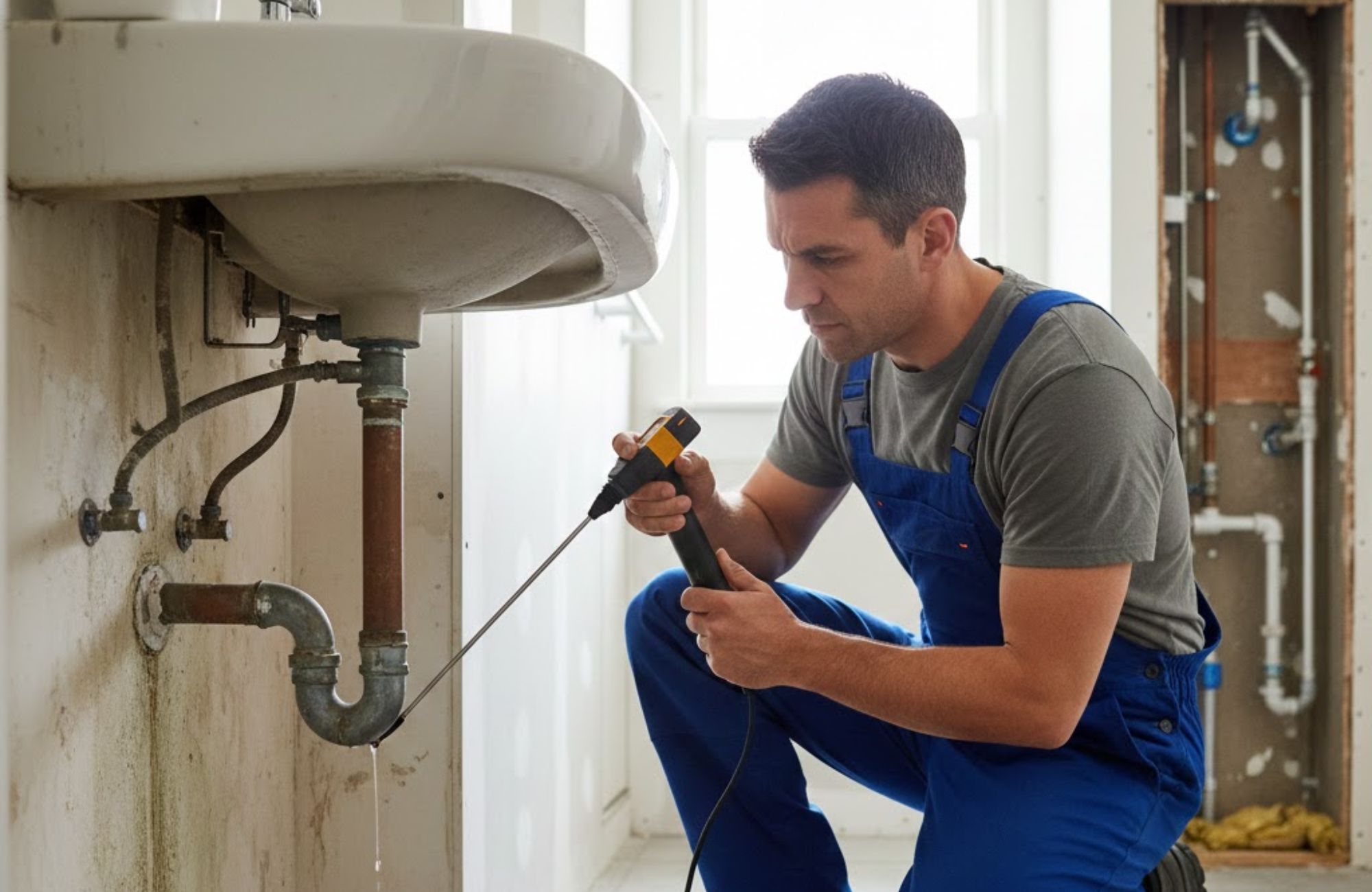
Professional plumbers use advanced tools such as infrared cameras, acoustic sensors, and moisture meters to detect hidden leaks. This technology can find the exact location of a problem without tearing into walls or floors unnecessarily.
If you experience frequent plumbing issues or suspect multiple leaks in your home, professional diagnostics can help pinpoint problems quickly and prevent expensive damage.
Conclusion
Water leaks in the home can lead to significant water waste, structural damage, and unexpected expenses if left unchecked. By regularly monitoring your water usage, inspecting fixtures, and listening for unusual sounds, you can catch leaks early and take steps to address them before they escalate. Combining simple DIY methods with professional help when needed ensures your plumbing system stays efficient, safe, and leak-free.
Worried about a hidden water leak in your home? Don’t let small issues turn into major repairs. Prestige Water Group offers expert leak detection, plumbing diagnostics, and water system solutions designed to safeguard your home. Serving homeowners throughout New Jersey, our licensed professionals bring precision, speed, and peace of mind. Call us today at (973) 227-4740 or email info@pwgroupnj.com to book your consultation. Explore our full range of services on our website and see how we help protect what matters most, your home.
FAQs
How can you tell where a water leak is coming from?
Start by isolating your water supply and checking your meter for activity. If the meter moves when no water is being used, you leak. Then inspect common culprits like toilets, faucets, and appliances. For harder-to-find leaks, look for water stains, mold, and damp areas, or listen for unusual sounds in the walls or floors.
How to trace a water leak in the house?
To trace a leak, begin with visible fixtures and appliances, then move to less accessible areas. Use dye tests for toilets, inspect hoses and valves, and check for damp drywall or warped flooring. If the leak remains undetected, consider using tools like moisture meters or contacting a plumber for acoustic leak detection.
How to identify leakage in a house?
Leakage often reveals itself through rising water bills, reduced water pressure, visible water damage, or the sound of running water when everything is turned off. Perform a step-by-step inspection of fixtures, check for mold or mildew, and don’t forget to inspect both indoor and outdoor plumbing elements.
How do I find a silent water leak?
Silent leaks are usually hidden and don’t make obvious noise. Use your water meter to detect ongoing water usage when no taps are on. Inspect behind appliances, under sinks, and in basements or crawl spaces. Musty smells or unexplained dampness are strong indicators of a silent water leak.