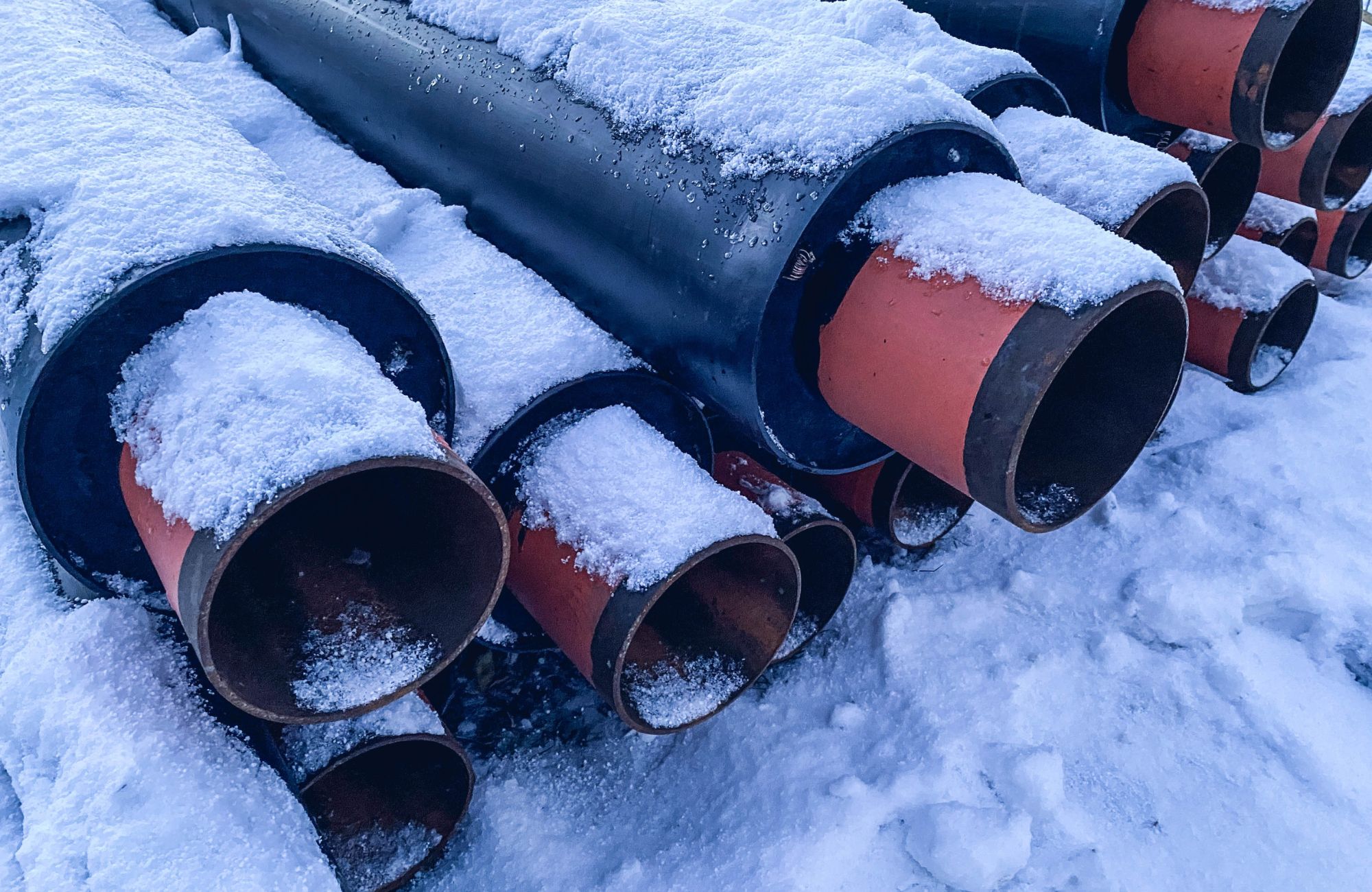
Frozen pipes can turn into a serious problem fast during a New Jersey cold snap. When temperatures drop overnight, the water inside your pipes can freeze and expand, putting pressure on the pipe walls. That pressure can cause a burst, leading to sudden water damage across your home.
In Northern New Jersey, this often happens in basements, crawl spaces, and exterior walls where pipes are exposed to cold air. A single frozen section can stop your water flow or turn into a costly emergency if it breaks.
In this guide, you’ll learn how to prevent frozen pipes, protect your water supply lines, and handle a frozen section before it turns into a bigger issue. These steps are simple, practical, and based on what actually works in cold-weather homes.
Why Frozen Pipes Happen and Why They Burst
According to the American Red Cross, water expands when it freezes. That creates a serious risk inside your plumbing. As ice forms, it pushes against the pipe walls. This pressure can crack or split both metal and plastic pipes, even if they are in good condition.
Frozen pipes do not happen randomly. They follow a clear pattern based on cold exposure. Pipes along exterior walls face a higher risk, especially when cold air enters through small gaps. Outdoor pipes, like hose bibs, pool lines, and sprinkler systems, are fully exposed to cold temperatures. Inside your home, pipes in basements, crawl spaces, attics, garages, and kitchen cabinets often lack enough heat or insulation.
What causes pipe freezing?
Frozen pipes happen when cold air reaches your plumbing and the temperature drops below freezing. This usually affects areas of your home that do not stay warm, such as crawl spaces, basements, garages, and exterior walls. These spots often have little insulation, so they lose heat quickly. As the temperature drops, the water inside the pipe begins to freeze. The risk increases when pipes are exposed to drafts, gaps, or poor sealing. Even a small opening can let in enough cold air to freeze a section of pipe. Once freezing starts, it can spread along the pipe. This blocks water flow and creates the conditions that lead to more serious damage.
Why pressure builds inside water pipes?
The main issue is not just the ice. It is also the pressure it creates. When water freezes, it expands and takes up more space inside the pipe. This expansion increases pressure in the system. The pipe does not always break where the ice forms. Instead, pressure builds between the frozen blockage and a closed faucet. As pressure rises, the pipe walls weaken until they crack or split. When the ice melts, water rushes through the damaged area. This is when a burst pipe turns into visible flooding. Even a small crack can release a large amount of water in a short time.
Where Pipes Freeze Most Often in Your Home
Some areas in your home are more likely to have pipe freezing issues because they are exposed to cold air or have poor insulation. Here are the areas in your house that may have a higher chance of freezing:
| Area | Risk Level | Reason |
| Crawl spaces | High | Cold air and little insulation |
| Exterior walls | High | Direct exposure to outdoor temperatures |
| Garage | Medium | Heat loss when doors open |
| Cabinets | Medium | Limited airflow |
| Outdoor hose bibs | High | Fully exposed |
You should also check pipes running through garages, outside hose bibs, and systems like water sprinkler supply lines and swimming pool supply lines. These areas freeze faster than indoor pipes.
How to Prevent Frozen Pipes Before Cold Weather Starts
Preventing frozen pipes starts before temperatures drop. When you prepare early, you lower the risk of pipe damage, water loss, and costly repairs during winter. If you are looking for more detailed steps, you can also learn how to prevent pipes from freezing in winter.
Key Steps to Prevent Frozen Pipes
- Insulate exposed water pipes- Cover exposed pipes with foam sleeves, heat cable, or heat tape. These materials help keep heat inside the pipe and reduce the chance of freezing. Focus on pipes in basements, crawl spaces, garages, and exterior walls.
- Seal air leaks around your home- Cold air can reach pipes through small gaps near windows, doors, and foundations. Seal these openings to keep indoor heat stable and protect nearby plumbing.
- Drain outdoor water systems- Disconnect garden hoses and drain hose bibs, sprinkler systems, and pool lines. Water left inside these pipes can freeze and expand, leading to cracks or bursts.
- Maintain a consistent indoor temperature- Keep your home heated, even when you are away. A steady indoor temperature helps prevent pipes from reaching freezing conditions.
Quick Prevention Checklist:
| Task | Why It Matters |
| Insulate exposed pipes | Reduces heat loss and freezing risk |
| Seal gaps and cracks | Blocks cold air from reaching pipes |
| Drain outdoor lines | Prevents water expansion damage |
| Keep the home heated | Maintains safe pipe temperature |
Taking these steps early helps protect your plumbing system and reduces the risk of emergency repairs during cold weather.
How to Prevent Frozen Pipes During Freezing Temperatures
Freezing temperatures can put your plumbing at risk, especially if your pipes are exposed to cold air. A few simple steps can help you avoid frozen or burst pipes, which often lead to costly repairs and water damage.
- Let faucets drip during very cold nights- A slow, steady drip keeps water moving, which lowers the chance of freezing and helps reduce pressure inside your pipes
- Maintain a consistent indoor temperature- Keep your heat on at all times, even when you’re away. Set a stable minimum temperature day and night to protect your plumbing system
- Open kitchen and bathroom cabinet doors- This allows warm air to circulate pipes, especially those located along exterior walls where freezing risk is higher
- Seal in warmth by keeping garage doors closed- Pipes in garages are more exposed to cold air. Keeping the doors shut helps maintain a warmer environment and prevents sudden temperature drops
- Focus on two key principles- Keep water moving and keep air warm. These two steps play the biggest role in preventing frozen and burst pipes
Staying ahead of freezing temperatures helps protect your home, your plumbing, and your budget. With these simple steps, you reduce the risk of frozen pipes and avoid unexpected repairs during the coldest days of the year.
Tools That Help Prevent Pipe Freezing
In some cases, keeping your home warm is not enough. If you have pipes in colder areas, adding direct heat can help protect them from freezing. Here are the tools that can help:
- Use a portable space heater for cold spots- Place a small space heater near pipes in areas like basements, garages, or crawl spaces to add extra warmth
- Wrap pipes with an electric heating pad- For tight or hard-to-reach spaces, an electric heating pad can provide steady heat directly to the pipe
- Focus on problem areas- Target pipes that are along exterior walls or areas that do not get enough warm air
- Always place heating tools safely- Keep heaters and heating pads away from anything flammable, and follow safety guidelines
- Avoid unsafe heating methods- Do not use propane heaters, charcoal stoves, or any open flame indoors, as these can be dangerous and lead to serious hazards
Using the right tools in the right way adds an extra layer of protection during freezing temperatures. When combined with proper home heating, these simple solutions can help you prevent frozen pipes and avoid costly damage.
Signs Your Pipes Are Starting to Freeze
Here are the signs your pipes may be starting to freeze:
- Water flow becomes slower than normal
- Little or no water comes from a faucet
- Frost forms on exposed pipes
- A section of the pipe feels very cold or looks frozen
If you notice any of these signs, act right away. Early action can help stop the freezing process and prevent costly pipe damage.
How to Thaw Frozen Pipes Safely
If you find a frozen pipe, act carefully. Turn on the faucet so water can flow once the ice melts. Then locate the frozen area and slowly apply heat. A hair dryer or electric hair dryer works well because it provides steady, controlled heat.
You can also wrap the pipe with towels soaked in warm water or use towels soaked in hot water. As the ice melts, you should see water flow return. Continue until water pressure is restored. Avoid using any other open flame device or direct fire. These methods can damage pipes and create safety risks.
What Happens If Pipes Burst
A burst pipe can release a large amount of water in a short time. This can damage floors, walls, and even electrical systems. If this happens, shut off the water at the water meter right away. This stops the flow and limits damage. After that, contact a licensed plumber to assess the issue and repair the pipe.
Frozen Pipe Prevention Checklist
Use this simple checklist to reduce risk:
- Insulate all exposed pipes
- Install heat tape or heat cable
- Keep garage doors closed
- Let faucets drip during cold nights
- Open cabinets to allow airflow
- Keep the indoor temperature steady
- Drain outdoor plumbing systems
- Seal air leaks.
Common Mistakes That Lead to Frozen Pipes
Here are the common mistakes that can lead to frozen pipes:
- Turning off the heat completely, causing indoor temperatures to drop too low
- Ignoring unheated areas like basements, garages, and crawl spaces
- Leaving pipes without proper insulation
- Using unsafe heating tools like charcoal stoves or open flames
Avoid these mistakes to reduce the risk of frozen pipes and protect your plumbing from damage.
Conclusion
Preventing frozen pipes is simple when you act early during cold weather. Protect exposed pipes along exterior walls and in crawl spaces, insulate water pipes, and keep warmer air moving by opening cabinet doors and keeping garage doors closed. Let faucets drip, even if it is only a trickle, and drain water from outdoor hose bibs and sprinkler lines before freezing temperatures hit. These small steps help prevent frozen pipes, reduce water pressure buildup, and avoid a burst pipe during severe cold.
At Prestige Water Group, you get clear and practical help for frozen pipes, leaks, and emergency plumbing issues across Northern New Jersey. If your pipes are freezing or you need help with repairs, contact us today to schedule service with a licensed plumber.
FAQs
At what temperature do pipes freeze?
Pipes can start to freeze when temperatures drop below 20°F (-6°C). The risk is higher in areas with poor insulation or direct exposure to cold air.
Should you leave faucets dripping in cold weather?
Yes. Letting a faucet drip keeps water moving, which helps reduce pressure inside the pipe and lowers the chance of freezing.
How long does it take for pipes to freeze?
Pipes can freeze in as little as a few hours during extreme cold. Exposed pipes or those in unheated areas freeze much faster.
Can frozen pipes thaw on their own?
Yes, but it is risky. As ice melts, pressure can build up inside the pipe and cause it to burst before it fully thaws.