Understanding how your home’s plumbing system delivers hot and cold water isn’t just for contractors or DIY enthusiasts. Whether you’re troubleshooting low water pressure, preparing for a renovation, or trying to reduce utility costs, knowing how plumbing hot and cold water lines function can help you make informed decisions and avoid costly mistakes.
A home plumbing system is a network of pipes, fixtures, and valves that work together to transport fresh water in and wastewater out. Hot water issues, cold water supply line problems, and leaking pipes often stem from overlooked installation errors, poor maintenance, or material mismatches. By understanding the materials, flow mechanics, and layout strategies involved in residential water lines, homeowners can better protect their property and ensure consistent water performance year-round.
This guide breaks down the essentials from materials used in your supply lines to best practices for water heater installation, pipe identification, and choosing the right piping system for your home.
Key Takeaway
Understanding your home’s plumbing hot and cold water lines helps you prevent costly issues and maintain efficient water flow. Here’s what homeowners should remember:
- Hot and cold water lines have separate functions; cold water comes from the main supply, hot water from your water heater.
- PEX, copper, and CPVC are top materials for supply lines, each suited to different temperature and pressure needs.
- Proper insulation protects against freezing and reduces heat loss, especially in colder climates like New Jersey.
- Common issues like low water pressure, leaks, or pipe corrosion often stem from poor material choices or a lack of maintenance.
- Routine inspections and professional upgrades can extend your system’s life and improve water efficiency.
With the right knowledge and support, your plumbing system can deliver reliable hot and cold water throughout your home, season after season.
Materials Used for Installing Supply Lines
The material of your supply lines affects everything from durability and water temperature tolerance to installation cost and corrosion resistance. Different pipe materials offer unique advantages depending on the location, water pressure, and intended temperature range of use.
One of the most widely used materials in plumbing systems is copper. Known for its durability and high heat resistance, copper is often used for hot water lines and can last over 50 years with proper maintenance. Polyvinyl chloride (PVC) pipes are another common option, especially for cold water lines, due to their cost-efficiency and resistance to rust. However, PVC is not suitable for high-temperature water.
PEX (cross-linked polyethylene) is gaining popularity in modern plumbing systems. It’s flexible, resistant to freezing and bursting, and can handle both hot and cold water. PEX pipes simplify installation by reducing the need for joints and elbows, which are common points of failure in rigid systems.
Other materials include:
- Brass pipes: Strong, corrosion-resistant, and often used for both hot and cold water distribution
- CPVC (Chlorinated Polyvinyl Chloride): A heat-tolerant version of PVC, suitable for hot water applications
- Galvanized steel: Once standard, now mostly phased out due to rust and clogging over time
Regardless of the material, pipe insulation is crucial. It reduces heat loss in hot water lines and prevents freezing in exposed pipes during colder months. Proper insulation also reduces condensation, minimizing the risk of mold growth and water damage in enclosed spaces.
Understanding Cold Water Lines
Cold water lines are foundational to any plumbing system. They bring fresh water from your main supply line or well into the house and feed all cold water outlets such as kitchen sinks, toilets, and washing machines. Most fixtures, including your cold water tap, rely on this pipeline to provide unheated, pressurized water throughout your home.
These lines typically use materials like PVC, PEX, or copper, selected based on the pressure rating and exposure to temperature extremes. For example, PEX pipes perform better in colder climates due to their freeze-resistance, whereas copper may require more insulation to prevent burst pipes.
To ensure consistent cold water flow:
- Inspect connections regularly to detect small leaks before they worsen
- Check pressure from fixtures like the shower or bathroom sink to identify early signs of blockage
- Insulate exposed pipes, especially in basements or exterior walls, to reduce the risk of freezing during winter
Routine maintenance, such as flushing sediment from lines or tightening joints, helps preserve flow and water quality. If you notice low water pressure or strange odors, it may signal contamination or pipe degradation, both requiring immediate professional help.
Factors to Consider for Water Heater Installation
Your water heater is the heart of your hot water supply. Proper installation ensures consistent water temperature, energy efficiency, and system longevity. Before selecting a water heater, several key factors should guide your decision.
First, consider location. A heater should be installed in a well-ventilated, dry space away from combustible materials. Accessibility is also essential for future maintenance.
Next, think about capacity. A 40-gallon tank may be sufficient for a small family, but larger households might require a tankless unit or a higher-capacity heater to meet demand.
Finally, choose between tank and tankless models:
- Tank heaters store water and maintain its temperature 24/7, but can lead to heat loss
- Tankless heaters only heat water on demand, improving efficiency but requiring more upfront investment
Additional tips for long-term performance:
- Install a pressure relief valve to prevent damage from pressure spikes
- Conduct annual maintenance, such as draining sediment buildup, to maintain flow
- Monitor temperature settings to reduce energy consumption and prevent scalding
A professionally installed and maintained water heater ensures optimal performance and helps you avoid plumbing problems related to inconsistent heating or pressure fluctuations.
Hot and Cold Water Distribution
The effectiveness of your plumbing system relies heavily on how hot and cold water is distributed throughout the house. A well-planned distribution network ensures each faucet, tub, toilet, and appliance receives water at the correct temperature and pressure.
Hot water lines branch out from the water heater, while cold water lines usually run parallel from the main supply line. These pipes may intersect at fixtures like kitchen sinks or showers, where valves mix them to deliver desired temperatures.
Effective distribution depends on:
- Pipe sizing: Undersized pipes may result in low water pressure, especially when multiple fixtures are in use
- Insulation: Maintains water temperature and reduces heat loss in hot water pipes
- Fixture placement: The farther a fixture is from the heater, the longer it takes for hot water to reach it
Plumbing problems in distribution, like uneven temperature or poor water flow, often result from pipe layout inefficiencies or buildup inside the pipes. Regular inspections and system upgrades can improve efficiency and reduce heating costs over time.
Common Plumbing Problems
Understanding common plumbing problems can help homeowners respond quickly and avoid extensive damage. Leaks, low water pressure, and inconsistent temperatures are often early signs of larger system issues.
- Leaks may stem from loose connections, corroded pipes, or cracked fittings. They often occur around high-use fixtures like bathroom sinks and water heaters.
- Low water pressure might be caused by mineral buildup, corroded galvanized pipes, or undetected leaks along the cold or hot water lines.
- Discolored or contaminated water can result from rusting pipes or cross-contamination due to improper installation.
More severe issues include:
- Burst pipes, often caused by freezing temperatures or high pressure in uninsulated lines
- Water heater failure, leading to no hot water, strange noises, or visible leaks
Preventive steps include:
- Regular system inspections
- Replacing aging pipes
- Installing shut-off valves near each fixture for emergency control
Consulting a professional plumber can ensure early diagnosis and avoid long-term structural or health issues.
Choosing the Right Pipe for Your Home
The right pipe material can make a huge difference in your plumbing system’s longevity, water pressure, and energy efficiency. While copper has long been the go-to option, modern homes increasingly use plastic-based materials for their flexibility and performance in extreme temperatures.
When choosing pipes, consider:
- Water temperature: PEX and CPVC are great for hot water; PVC is limited to cold applications
- Water pressure: Copper and brass handle high pressure better than plastic options
- Installation area: Tight or concealed spaces benefit from flexible materials like PEX
Professional plumbers often recommend the following:
- PEX: Best for both hot and cold water, especially in colder regions
- Copper: Long-lasting and reliable, but costlier and requires soldering
- PVC/CPVC: Easy to install and budget-friendly, but not suitable for all temperatures
Combining the right pipe with high-quality insulation ensures your plumbing performs well year-round, regardless of temperature changes or usage patterns.
How to Identify Hot and Cold Water Pipes
Distinguishing between hot and cold water lines is crucial when repairing, replacing, or installing plumbing fixtures. While industry standards help guide placement, simple cues can help homeowners visually identify each line.
- Hot water pipes are usually installed on the left side of fixtures
- Cold water pipes are on the right side and directly connect to the main service line
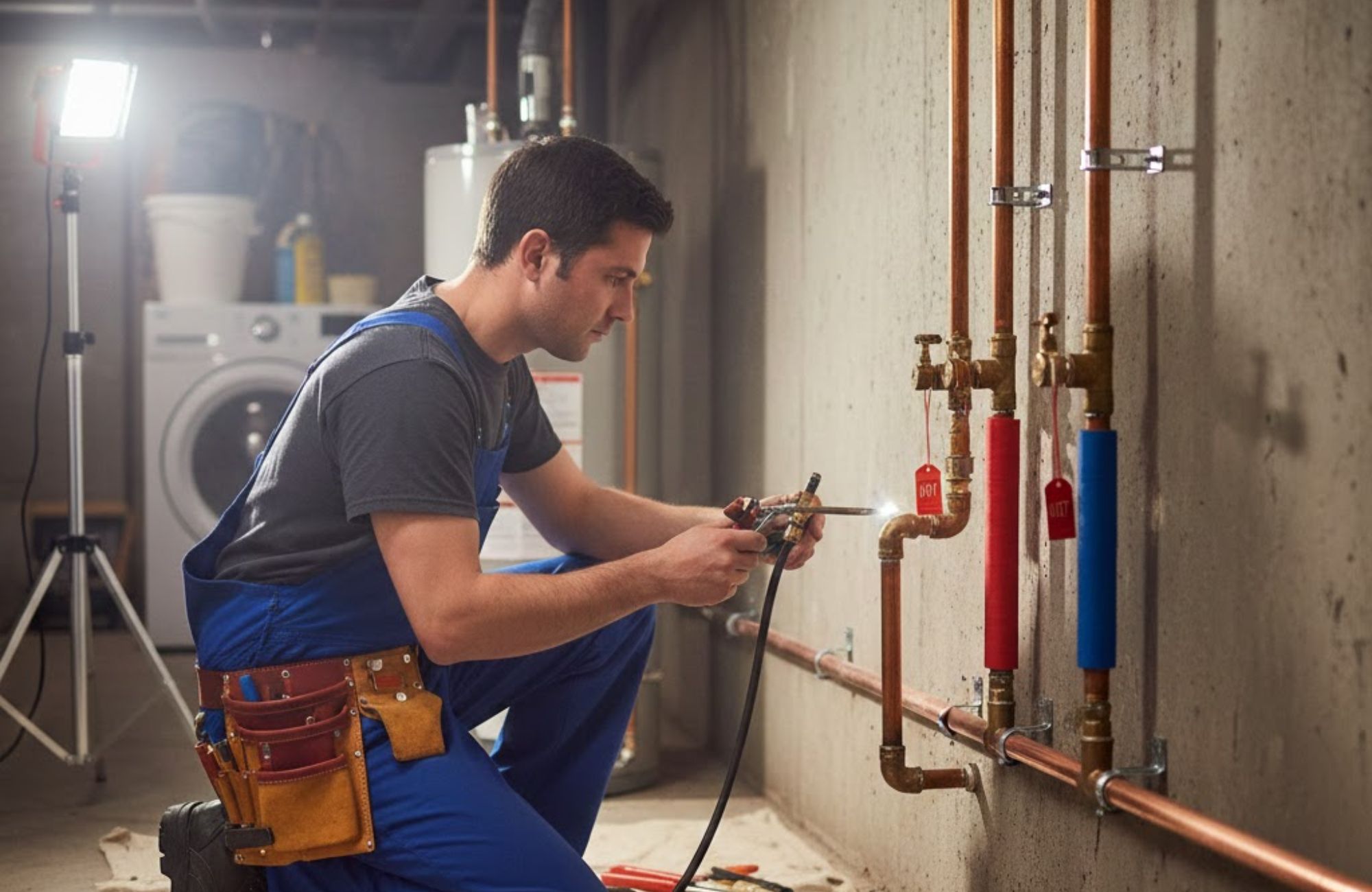
- Color-coded pipes or labels, red for hot, blue for cold, are often used for clarity
To confirm:
- Run the water and feel the pipe after 10 seconds; hot lines will warm up noticeably
- Check the insulation type, as hot pipes may have thicker insulation to prevent heat loss
- Use an infrared thermometer for non-contact pipe temperature checks
Knowing which line is which is especially helpful during emergency shut-offs or home improvement projects.
How Temperature Affects Pipe Performance
Temperature swings can severely impact plumbing performance. High heat can soften certain plastics, while cold snaps can freeze standing water and rupture lines. Material selection and insulation play key roles in long-term durability.
Hot water can accelerate corrosion in copper pipes or cause expansion in plastic ones, stressing joints and fixtures. Cold weather, especially in New Jersey, presents an even greater risk. Frozen water expands, increasing pressure and cracking exposed pipes.
Best practices include:
- Using PEX or insulated copper in areas exposed to freezing temperatures
- Avoiding PVC for hot water lines to prevent warping
- Applying foam or fiberglass insulation to outside-facing pipes
Planning for temperature extremes reduces repair needs and helps maintain safe, consistent water flow year-round.
Conclusion
Hot and cold water lines are the backbone of your home’s plumbing system. By understanding how they function, what materials work best, and how to spot and prevent common issues, homeowners can maintain efficient water flow, safe temperatures, and lower maintenance costs. Whether you’re planning upgrades or just staying informed, knowledge of your plumbing system is a worthwhile investment in your home’s comfort and value.
Worried about aging pipes or inconsistent water pressure? Prestige Water Group provides expert plumbing services and water line upgrades for homeowners across Northern New Jersey. From leak detection to full pipe replacements, we ensure your hot and cold water lines are safe, efficient, and built to last. Call (973) 227-4740 or email info@pwgroupnj.com to schedule your consultation today.
FAQs
Which side of plumbing is hot and cold?
In standard residential plumbing, the hot water line is on the left and the cold water line is on the right. This applies to sinks, tubs, and showers to ensure intuitive control over water temperature.
Which pipe is for the hot and cold water supply?
PEX, copper, and CPVC pipes are commonly used for both hot and cold water. PVC is usually limited to cold water lines due to its heat limitations. The material depends on water pressure, temperature, and local building codes.
Is there a separate pipe for hot and cold water?
Yes, homes have separate pipes for hot and cold water. The cold line runs directly from the main supply, while the hot line comes from the water heater. They meet at fixtures where water is mixed to reach the desired temperature.
Are hot water and cold water lines connected?
Hot and cold water lines are part of the same system but remain physically separate until they converge at a fixture. Each line serves its function cold from the supply line, hot from the heater, ensuring consistent and controlled delivery.