When sewer line problems arise, they can lead to costly repairs, health hazards, and property damage. Recognizing the signs of sewer line damage early is crucial for preventing significant issues and avoiding expensive fixes. If you notice slow drains, sewage odors, or unusual yard conditions, your home’s sewer line may be in trouble. This guide will help you spot the first signs of sewer line issues, understand common causes of damage, and know when to call a professional for sewer line repair.
What Is a Sewer Line?
The sewer line is a critical part of your plumbing system. It carries waste and wastewater from your home to the municipal sewer system or a septic tank. The main sewer line connects your home’s plumbing system to the larger sewer infrastructure. If it becomes damaged, the consequences can be severe, affecting not just your plumbing but your entire property.
Main Sewer Line vs. Secondary Lines
While the main sewer line carries waste from your entire home, smaller secondary lines serve individual plumbing fixtures like sinks, toilets, and bathtubs. Any issue with the main sewer line can result in sewage backups throughout your home, while problems with secondary lines usually affect specific areas or fixtures.
Common Signs of Sewer Line Damage
Several warning signs can indicate that your sewer line is damaged or failing. Understanding these symptoms can help you spot issues before they escalate into bigger problems.
Slow Draining
If your drains are slow to empty, whether in the kitchen sink, bathroom sink, or shower, it could be a sign of a sewer line problem. Slow draining is often caused by clogs in the line or a partial blockage. If you notice slow draining in multiple fixtures at the same time, this may indicate a bigger issue with your sewer line.
Sewer Backups
Sewage backups are one of the most obvious signs of a broken sewer line. If you experience raw sewage backing up into your sinks, bathtubs, or toilets, it’s a clear indication that your sewer line is clogged or broken. Sewer line damage can block the flow of waste, causing wastewater to come back into your home instead of flowing out.
Gurgling Noises
Gurgling or bubbling sounds coming from your drains are a warning sign of a sewer line issue. These noises occur when air is trapped in your pipes, which can happen when the sewer line is partially blocked or clogged. If you hear gurgling sounds, it’s a good idea to call a plumber to inspect your system.
Sewer Odors
Unpleasant sewer odors, especially inside your home, are a serious warning sign of sewer line damage. The smell is often caused by sewer gas leaking from cracks or broken pipes. Sewer gas is not only foul-smelling but also a health hazard, so it’s important to address this issue as soon as possible.
Visible Damage in the Yard
A damaged sewer line can also affect the yard around your home. If you notice standing water, soggy patches, or unusually lush grass in your yard, it may be caused by a sewer line leak or breakage. In some cases, you might even see sewage pooling in the yard. This is a clear sign that your sewer line is compromised.
Cracks and Sinkholes
Severe sewer line damage can cause structural issues in your home. If the sewer line breaks or collapses, it can create cracks in the foundation or cause sinkholes in your yard. These issues are often a result of the ground shifting or soil erosion caused by leaking wastewater. If you notice cracks in your foundation or uneven ground around your property, it’s time to inspect the sewer line.
Causes of Sewer Line Damage
Sewer lines can be damaged for a variety of reasons, and understanding these causes can help you prevent future issues.
Tree Root Intrusion
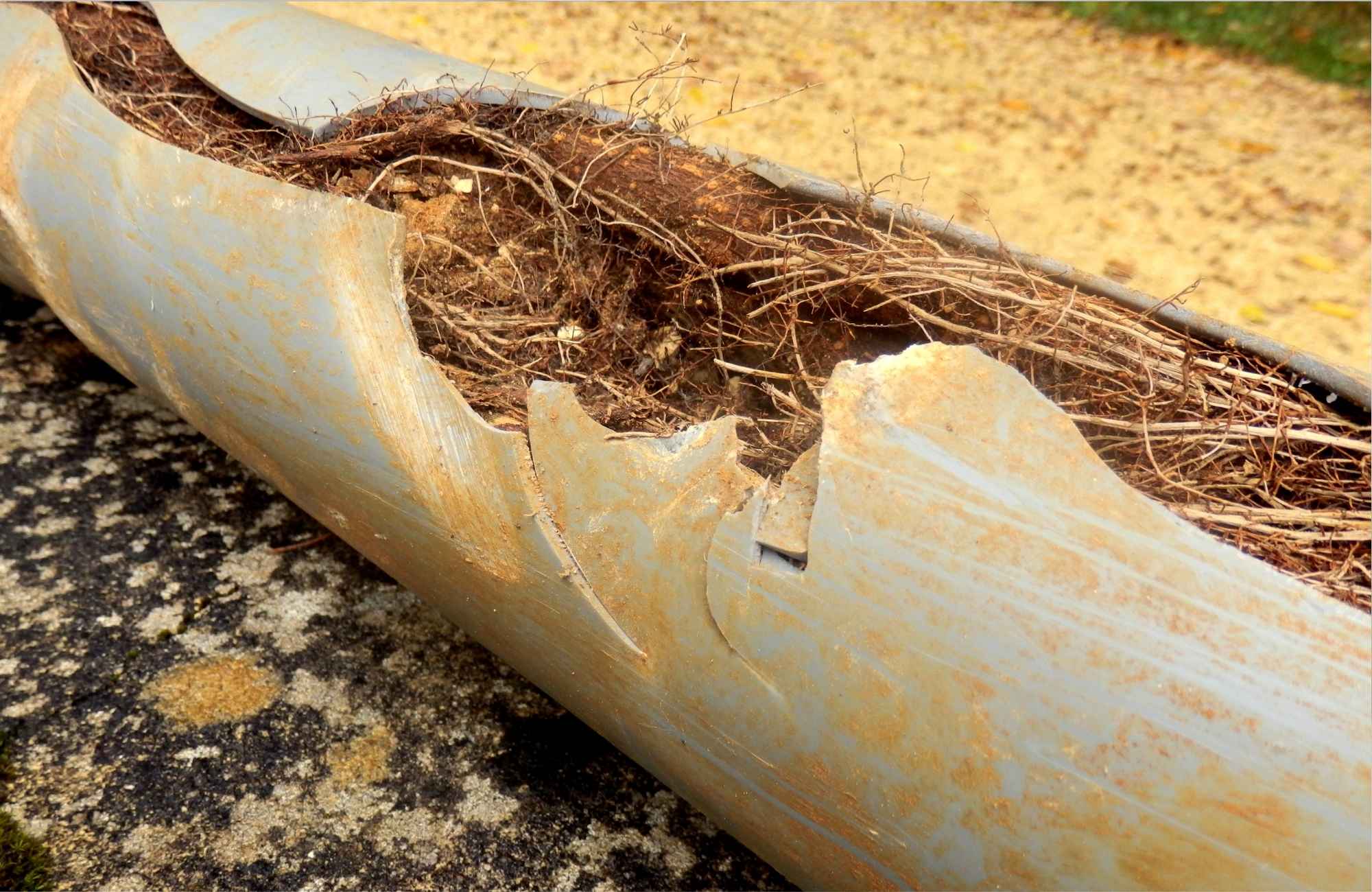
One of the most common causes of sewer line damage is tree root intrusion. Large trees, particularly those with deep roots, can infiltrate your sewer pipe and cause significant damage. Tree roots can penetrate weak spots in the pipe and grow inside, blocking water flow or even breaking the pipe. If you have large trees near your sewer line, root intrusion is a serious risk.
Aging or Deteriorating Pipes
Older homes often have cast-iron pipes that deteriorate over time. Cast iron pipes are more susceptible to rust, corrosion, and breakage, which can lead to sewer line failure. Additionally, older pipes may not be properly sealed, allowing waste and water to leak out. If your home has older plumbing, regular inspections are essential.
Clogged Drainage System
Clogs in your plumbing fixtures, such as sinks and toilets, can eventually affect the sewer line. Over time, grease, food particles, hair, and even hygiene products can build up and cause a blockage in the sewer line. If left untreated, these clogs can lead to serious sewer line damage and even complete failure.
Collapsed Sewer Line
A collapsed sewer line occurs when the pipe breaks and the surrounding soil or other pressure forces the pipe to collapse. This can happen due to old age, external pressure, or severe blockages. A collapsed sewer line can result in sewage backups, foul odors, and standing water in your home or yard.
Ground Shifting or Soil Movement
The soil surrounding your sewer line can shift over time due to changes in temperature, weather, or construction. Ground movement can cause pipes to crack, break, or even become disconnected. Additionally, poorly compacted soil or excessive moisture can weaken the foundation of the sewer line, leading to damage.
Septic System Issues
For homes with septic systems, damage to the septic tank or lines can lead to sewer line problems. If the septic system is not maintained properly, it can cause clogs, backups, or even failure of the sewer line. Regular septic tank inspections and maintenance are essential for preventing sewer line issues.
Health and Safety Concerns with Sewer Line Damage
Sewer line problems can lead to health hazards if not addressed quickly. Here’s how sewer line issues can impact your health and safety:
Sewer Gas Exposure
Sewer gas is a toxic substance that can escape from cracked or broken sewer lines. Prolonged exposure to sewer gas can cause headaches, dizziness, nausea, and respiratory issues. If you notice a sewer odor inside your home, it’s important to act quickly and have your sewer system inspected to prevent exposure.
Mold Growth
Sewage leaks can create the perfect environment for mold and mildew growth. Moisture from broken pipes can seep into walls, floors, and ceilings, promoting mold growth. Mold can lead to respiratory problems and allergic reactions, especially in sensitive individuals. If you notice mold or mildew near plumbing fixtures or in your basement, it could be a sign of a leaking sewer line.
Diagnosing Sewer Line Damage: Professional Help and Solutions
If you suspect that your sewer line is damaged, it’s important to call a professional plumber. Here’s how a plumber can help diagnose and repair sewer line issues:
Sewer Line Inspection
A sewer line inspection involves using a camera to inspect the inside of your sewer pipe. The camera allows the plumber to see any blockages, leaks, or damage without having to dig up your yard. This inspection is a fast and non-invasive way to diagnose sewer line problems.
Sewer Line Repair Methods
If your sewer line is damaged, there are several repair options. Trenchless repair is a modern method that requires minimal digging and disruption to your property. Traditional excavation, on the other hand, involves digging up the yard to replace the damaged pipe. A professional plumber can recommend the best course of action based on the severity of the damage.
Preventing Sewer Line Damage: Tips for Homeowners
Regular maintenance and proper care can help prevent sewer line issues. Here are some tips to protect your sewer system:
Regular Inspections
Schedule regular sewer line inspections with a professional plumber to catch any potential issues early. Inspections can help identify weak spots or early signs of damage before they become major problems.
Avoid Flushing Improper Items
Be mindful of what goes down your drains and toilets. Avoid flushing feminine hygiene products, grease, or large food scraps down the drain. These items can cause blockages and lead to sewer line damage.
Maintain Your Septic System
If you have a septic system, make sure it’s regularly pumped and inspected. A well-maintained septic system can prevent issues that may affect your sewer line.
Trim Tree Roots
If you have large trees near your sewer line, trim the roots regularly to prevent them from intruding into your pipes. Consider consulting a professional arborist if you have concerns about root intrusion.
Conclusion
If you notice any signs of sewer line damage, don’t wait to act. Early detection and timely repair can save you from major headaches and costly repairs. At Prestige Water Group, we understand the importance of a properly functioning sewer system and are here to help you spot issues early, preventing further damage to your home.
If you’re experiencing any of these signs, don’t wait to get help. Contact us today for professional sewer line inspections and repairs in Northern New Jersey. Our team is ready to provide fast, reliable service to restore your sewer line and keep your home safe.
FAQs
What are the most common signs of sewer line damage?
Common signs of sewer line damage include slow-draining sinks, toilets, or bathtubs, frequent sewage backups, gurgling noises from drains, and unpleasant sewer odors inside the home. You may also notice wet spots or unusually green patches in your yard, which can indicate a leak or break in the sewer line.
How can I tell if my sewer line is damaged or clogged?
If your sewer line is damaged, you may experience multiple slow drains across your home, frequent toilet backups, or unpleasant odors coming from drains. A clogged sewer line typically causes a blockage at one fixture, while a damaged sewer line often results in widespread issues, including yard damage, gurgling sounds, or sewage backups.
What causes sewer line damage, and how do I spot it early?
Sewer line damage can be caused by tree root intrusion, corrosion of older pipes, shifting soil, or external pressure from construction. Early signs include slow drainage, gurgling noises, foul odors, and wet spots in the yard. Catching these issues early can prevent costly repairs and further damage to your plumbing system.
Can a broken sewer line cause sewage backups in my home?
Yes, a broken sewer line can cause sewage to back up into your home. If there is a crack, collapse, or clog in your main sewer line, wastewater can no longer flow properly through the system, causing sewage to back up into sinks, toilets, and bathtubs.
How do tree roots affect sewer lines, and what are the warning signs?
Tree roots can invade sewer lines, especially if the pipes are old or damaged. As roots grow, they can crack or block the pipes, leading to clogs and potential sewer line breaks. Warning signs include slow draining, gurgling noises, sewage odors, and the appearance of lush patches of grass above the roots. Regular inspections can help detect root intrusion before it causes major issues.