Introduction to Water Storage
A water storage tank is essential for efficient water management, providing a reliable source of fresh water for homes and businesses. A well-designed water storage system can help prevent water waste, improve water pressure, and reduce the risk of waterborne illnesses. These tanks support sustainable practices like rainwater harvesting and reduce dependency on municipal water supplies, particularly in areas prone to water restrictions or drought.
Understanding the function and setup of water tank plumbing is crucial for homeowners, property managers, and contractors alike. The plumbing system controls how water flows to and from the pump and tank, and it must be properly designed to ensure clean, consistent access to potable or non-potable water. With the right system in place, users can enjoy lower utility bills, increased water independence, and peace of mind.
Key Takeaway
A well-designed water tank plumbing system is key to efficient water use, long-term savings, and reliable access to stored water. Here’s what homeowners should remember:
- Water tank plumbing controls how water is stored, pressurized, and delivered throughout your home or property.
- Choose the right tank type and material, whether for drinking water, irrigation, or gray water, to meet your usage needs.
- Proper installation and maintenance protect water quality, prevent leaks, and extend the system’s lifespan.
- Cold-weather preparation, like insulation and drainage, helps avoid winter damage and pressure buildup.
- Smart plumbing connections and regular inspections ensure safe, efficient water flow year-round.
Whether you’re collecting rainwater or managing your household supply, the right water tank setup supports sustainability, resilience, and peace of mind.
Understanding Water Tanks
Water tanks come in a wide variety of materials and sizes, each serving different functions depending on the user’s needs. Common materials include steel, fiberglass, polyethylene (plastic), and concrete. Each option offers different advantages: steel and fiberglass are known for durability, while polyethylene tanks are lightweight and cost-effective.
Beyond material, the tank’s capacity and placement above ground or below also impact performance. Pressure tanks help regulate water pressure and are often paired with water pumps, while non-pressurized tanks rely on gravity feed systems to move water. Understanding the role of pressure, vent, and pipe diameter is important when sizing plumbing lines, especially when connecting tanks to household fixtures like faucets, showers, or irrigation systems.
Tanks may store drinking water, gray water, or wastewater, depending on how the plumbing is designed. Choosing the right tank begins with knowing your water source, whether it’s a municipal line, well, or a rainwater harvesting system.
Water Tank Selection
Choosing the right water tank starts with identifying your intended use and the difference: potable water, irrigation, stormwater runoff, or emergency backup. From there, factors like durability, UV resistance, corrosion resistance, and ease of cleaning should guide your decision.
Homeowners should also consider the installation space and determine whether an above-ground or underground model is more appropriate. Tank manufacturers typically offer a wide range of capacities, from compact 200-gallon models to large 10,000-gallon industrial units.
Other essential considerations include:
- Cost: Don’t forget to budget for accessories like hose clamps, bulkhead fittings, and stands.
- Warranty: Check what’s covered and how long the tank is protected.
- Support: Choose a manufacturer or distributor with strong technical support and available replacement parts.
Investing in a well-matched tank improves system longevity and simplifies plumbing setup, reducing the need for future repairs and, in more detail, ensuring lasting efficiency.
Pressure Tank Systems
A pressure tank system is designed to deliver steady and reliable water pressure through suction from your home, even when the water pump isn’t actively running. Inside the tank, both water and compressed air are stored. When you turn on a faucet or run an appliance, the compressed air forces water through the plumbing lines, creating a consistent flow without constantly activating the pump. This not only improves performance but also reduces the wear and tear on your pump system.
Typically, a pressure tank setup includes a pressure tank (often equipped with a rubber bladder), a water pump to refill the tank as pressure drops, and a check valve to prevent backflow. These systems are especially beneficial in homes that rely on well water or experience unstable municipal pressure. Regular maintenance, such as checking air pressure with a gauge, inspecting the bladder for leaks, and testing the check valve annually, ensures long-term reliability and prevents costly plumbing failures.
Water Storage Tank Installation
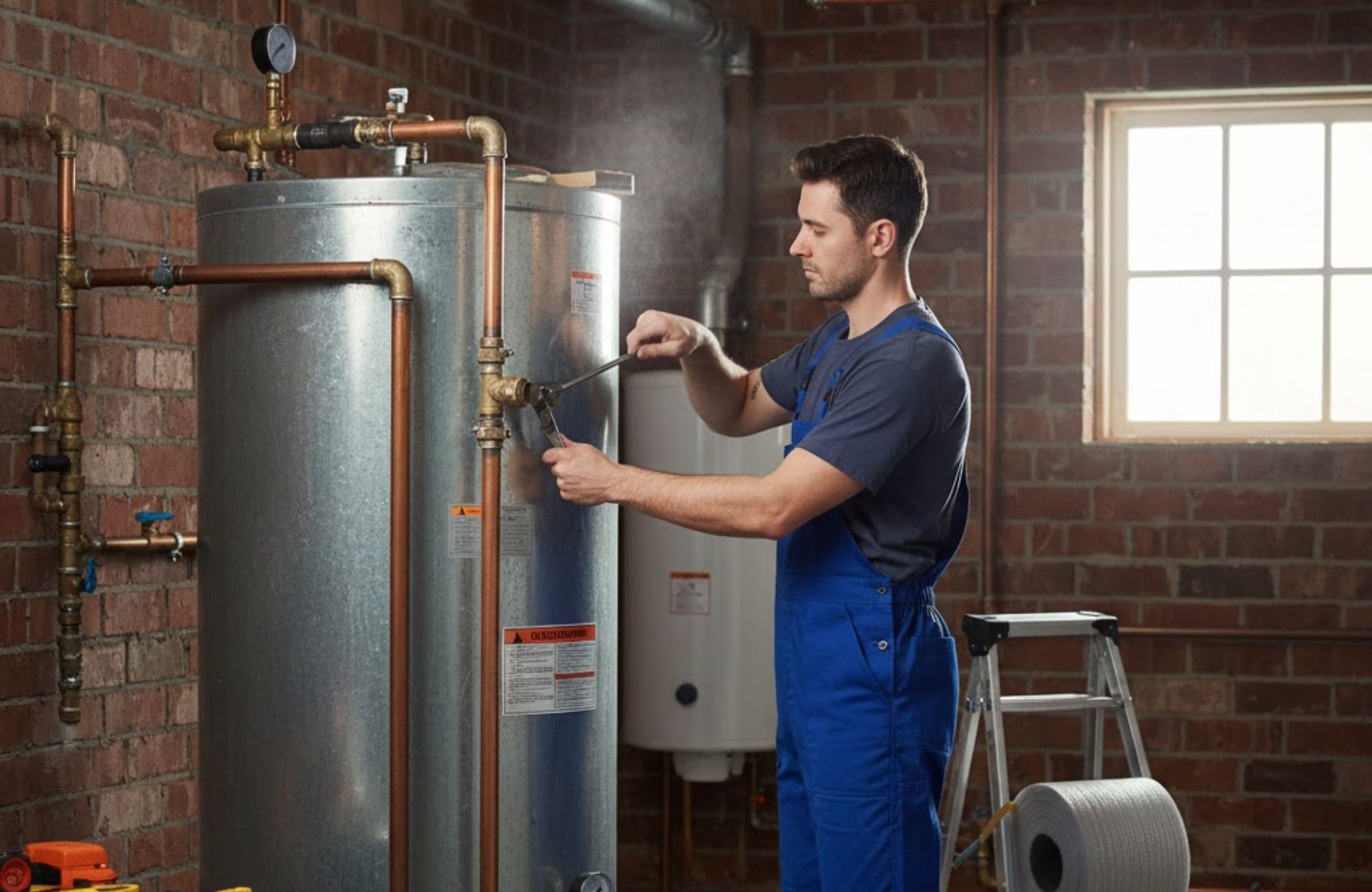
Proper installation is critical to ensure the location of water tanks remains safe, secure, and functional for years. Tanks should be installed on a level, stable surface, such as a reinforced concrete slab or compacted gravel base, to prevent shifting.
The ideal location minimizes sunlight exposure and risk of contamination. For potable water systems, tanks should be positioned away from septic systems, chemical storage, or areas that flood during rain. When connecting to plumbing lines, use food-grade PVC pipe, HDPE, or PEX, depending on the intended water temperature and pressure.
Installation tips:
- Allow space for access, inspection, and future maintenance
- Use a vented cap to prevent vacuum lock
- Install a first flush diverter if using a rainwater harvesting system
If you’re unsure about setup or local regulations, always consult a licensed plumber or tank installation professional.
Water Tank Maintenance
Water tanks, like any essential household system, need regular maintenance to stay clean, safe, and functional. Without proper care, tanks can become a breeding ground for bacteria, algae, and sediment, especially when water sits for extended periods. These contaminants not only affect water quality but can also damage your plumbing and appliances over time.
To maintain performance and extend the life of your tank, inspect it monthly for visible signs of damage such as cracks or corrosion. Drain and clean the tank every 6 to 12 months using a non-toxic cleaner, and remove sediment buildup from the bottom with a siphon or wet vacuum. Don’t forget to check all fittings, valves, and pipe connections for leaks. In colder regions, installing frost-proof fittings and insulating exposed pipes helps prevent freezing and costly repairs. If you’re storing potable water, maintaining a treatment system, like UV filtration or activated carbon, along with wearing rubber boots, adds an extra layer of protection.
Fresh Water Storage Solutions
Fresh water storage is crucial for homes in rural areas, farms, off-grid cabins, or places with unreliable municipal water. These systems often include a large drinking water tank, a water pump, and sometimes a filtration unit or UV disinfection system.
To preserve water quality:
- Use opaque tanks to prevent algae growth
- Install a sediment pre-filter at the inlet
- Avoid materials like galvanized steel that may leach heavy metals over time
For added peace of mind, monitor water levels and quality with smart tank sensors that alert you to low supply, leaks, or contamination.
Gray Water Storage Options
Gray water systems are designed to collect lightly used wastewater from showers, bathroom sinks, and laundry machines, excluding water from toilets or kitchen sinks, which is classified as black water. This reclaimed water can then be reused for non-potable purposes such as landscape irrigation, toilet flushing, or even cooling systems. By diverting gray water from the main sewer line into a separate holding tank, homeowners can significantly reduce water waste and lower their utility bills, while also lessening their environmental footprint.
A standard gray water system includes a dedicated tank equipped with a pump, a basic filtration unit to remove debris and soap residue, and plumbing lines that direct the treated water to specific fixtures or irrigation zones. Routine maintenance is essential: filters must be cleaned, the system flushed regularly, and odors monitored to prevent buildup or contamination. Since local and state regulations around gray water use can vary widely, it’s important to check building codes and consult with a licensed plumber before installation.
Water Supply Management Strategies
Strategic water management goes beyond tank selection. It includes how you store, distribute, and monitor water use across your property. This is especially valuable in homes that use multiple tanks for fresh water, gray water, or irrigation.
Recommended strategies:
- Install low-flow fixtures to reduce demand
- Use timers on irrigation pumps to prevent overwatering
- Track usage with a smart meter
In areas prone to freezing, include a drain valve and pipe insulation as part of your emergency prep. For larger properties, consider integrating your tanks with a central control panel that monitors pressure, temperature, and supply levels.
Water Tanks for Efficient Water Use
Efficient water use starts with proper infrastructure, and tanks are the backbone of that system. They allow for controlled distribution, reduce waste, and create independence from municipal supply.
Tanks can be integrated with rainwater harvesting setups, household plumbing, or irrigation systems. The key is to match the right size and material to the intended use and connect it with high-quality valves, hoses, and fittings.
Routine checks ensure you avoid common issues like pressure loss, freezing, or contaminated supply. Over time, water tank plumbing systems save money, reduce stress on public infrastructure, and promote sustainable living.
Plumbing Connections for Water Tanks
Effective plumbing connections make or break your water tank system. These include inlet pipes, outlet pipes, overflow drains, and vent lines. Each fitting must be secure, properly sealed, and compatible with the tank material.
To avoid leaks or flow issues:
- Use rubber gaskets or Teflon tape on threaded fittings
- Choose the right diameter pipe for the desired flow rate
- Install shut-off valves for service and emergencies
If connecting to a pressure tank, always include a check valve to prevent backflow. Every connection should meet local code requirements, particularly for drinking water storage.
Cold Weather Tips for Tank Plumbing
Cold weather poses serious risks to your plumbing system, especially when temperatures drop below freezing. Pipes can burst, valves may crack, and water tanks are vulnerable to expansion damage if the water inside freezes. These issues can lead to costly repairs, water loss, and even structural damage if not addressed in time. Fortunately, winterizing your water tank plumbing with a few proactive measures can significantly reduce the chance of cold-weather failures.
Start by wrapping exposed pipes with foam insulation or applying heat tape to help maintain flow during freezing conditions. For outdoor access points, install frost-free hydrants to minimize freeze risk. Keeping your tank partially full helps reduce air gaps that freeze more easily, and draining unused lines before the first frost can prevent pressure buildup from expanding ice. If your tank isn’t already buried or housed in an insulated shed, consider those options for long-term protection. Adding a drain plug at the lowest point of your system can also make seasonal maintenance much easier.
Conclusion
Water tank plumbing is a critical aspect of home and property water management. Whether you’re storing drinking water, repurposing gray water, or supporting a rainwater system, as a senior member of your household, proper tank selection, installation, and maintenance ensure safe and efficient water use. From fittings and pipe sizing to seasonal preparation, every detail matters in creating a system that lasts.
Need help installing or maintaining your water tank system? Prestige Water Group offers expert water tank plumbing services to ensure reliable water flow and safe storage. We proudly serve homeowners across Northern New Jersey with professional solutions tailored to your property. Call (973) 227-4740 or email info@pwgroupnj.com to schedule your consultation today.
FAQs
What is a water tank in plumbing?
A water tank in plumbing refers to a container designed to store water for various uses such as drinking, irrigation, or flushing toilets. It integrates with a plumbing system to distribute water through pipes to fixtures or appliances.
Can a plumber fix a water tank?
Yes, a licensed plumber can repair or replace water tanks, fix leaks, address pressure issues, and ensure proper plumbing connections. They are also equipped to install new tanks and verify that systems meet local codes.
What pipe is used in water tanks?
Common types include PVC, HDPE, PEX, and occasionally copper, depending on water temperature, pressure, and usage. Each offers different benefits in terms of cost, flexibility, and durability.
What is the purpose of water tanks?
Water tanks serve to store water for residential or commercial use. They help manage supply during shortages, enable rainwater collection, reduce dependency on municipal systems, and support emergency preparedness.