When it comes to your home’s plumbing, some issues can be fixed with a quick DIY approach. Others, however, require immediate professional help to avoid further damage or safety risks. So, what is considered a plumbing emergency, and when should you call for an emergency plumber?
This article will break down the most common plumbing emergencies and help you understand when you need to reach out to a plumbing emergency service.
What Qualifies as a Plumbing Emergency?
A plumbing emergency is typically defined by the urgency of the issue and the potential for significant damage or risk to your home. These situations often involve safety hazards, damage to your property, or a breakdown of your plumbing system that disrupts essential services, like hot water or water supply. In these cases, you should call an emergency plumber immediately.
Here are some common situations that qualify as a plumbing emergency:
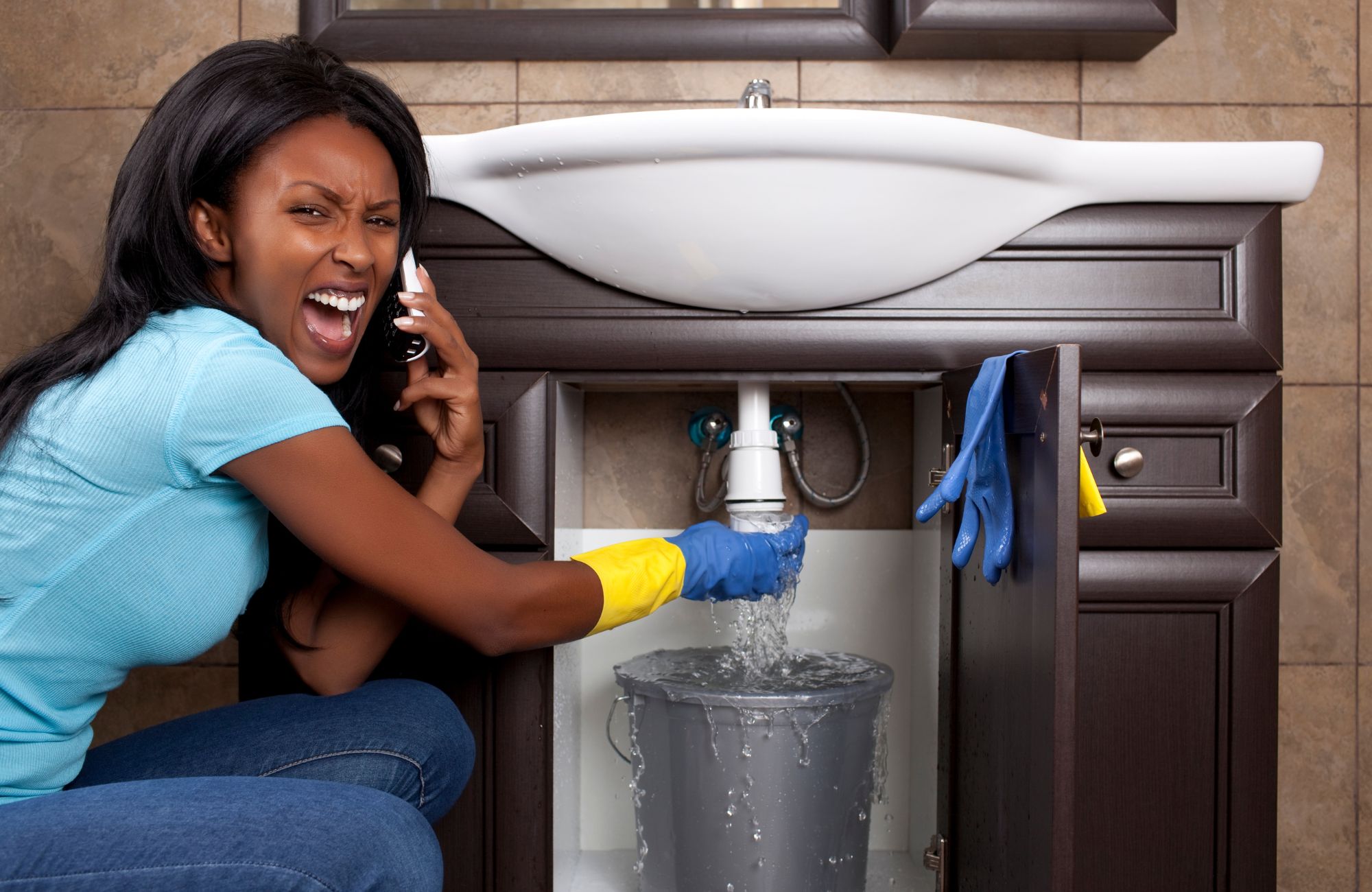
- Major Leaks and Burst Pipes: When pipes burst, water can quickly flood your home, damaging walls, floors, and personal property. Burst pipes can release gallons of water, and the longer they go untreated, the worse the damage will be.
- Sewer Backup and Clogged Drains: A sewer backup or clogged drains can lead to unsanitary conditions in your home. Sewage or wastewater backing up into your sinks, showers, or toilets can create significant health risks. It’s not just a mess; it’s a health hazard.
- Overflowing Toilet and Clogged Toilet: An overflowing toilet can create serious issues, not only from the water damage but also from the potential of contaminated water spilling over. It’s crucial to address this problem immediately to prevent it from becoming a larger issue, especially if the toilet is clogged and not draining properly.
- Gas Leak or Leaking Gas: A gas leak is a fire and health risk. Leaking gas can quickly escalate into a fire hazard if not addressed immediately. If you smell gas, evacuate your home and call a professional plumber to fix the issue safely.
- Water Heater Failure: A water heater failure may leave you without hot water for showers, laundry, and other essential uses. If your water heater is leaking or malfunctioning, it’s an emergency.
- Frozen Pipes: Frozen pipes can burst when thawed, and that causes major damage to your plumbing system. In areas with freezing temperatures, this is a common problem that requires urgent attention.
Common Plumbing Emergencies and How to Identify Them
Understanding the signs of a plumbing emergency will help you recognize when you need immediate professional help.
Burst Pipes and Major Leaks
Burst pipes are one of the most common and dangerous plumbing emergencies. When a pipe bursts, it can quickly flood your home, causing water damage to floors, walls, and even your foundation. If you suspect a burst pipe, look for these signs:
- Water stains on ceilings or walls
- Sudden drop in water pressure
- Visible puddles or water pooling on floors
A burst pipe releases large amounts of water and can weaken walls and damage plumbing fixtures. If you find a burst pipe, turn off the main water supply and call an emergency plumber immediately.
Sewer Backup and Clogged Drains
A sewer backup occurs when the main sewer line becomes blocked, causing sewage or wastewater to back up into your home. This situation poses serious health risks due to the presence of bacteria and contaminants in the water. You should call an emergency plumbing company if you notice:
- Unpleasant odors coming from your drains
- Water backing up from toilets, sinks, or bathtubs
- Slow drainage or clogged drains in multiple areas of your home
Sewer backups and severe clogs can result in water damage, mold growth, and contaminated water if not addressed immediately.
Overflowing Toilet and Clogged Toilet
An overflowing toilet is not just a plumbing problem; it’s a health concern. Water and waste can spill over onto the floor, leading to water damage and the risk of contaminated water. If the toilet is clogged and water is rising, it’s essential to address the issue as soon as possible:
- Avoid flushing the toilet again.
- Turn off the water supply to the toilet to stop the overflow.
- Call a plumbing service for immediate assistance.
Gas Leak and Leaking Gas
A gas leak can lead to catastrophic consequences, including fire or explosion. If you detect a gas leak in your home:
- Smell gas or notice a rotten egg-like odor
- See a visible hissing sound or smell from the gas line
- Smell gas near your gas appliance
Evacuate your home immediately, turn off the gas supply, and call a professional plumbing company to fix the issue. Never attempt to fix a gas leak yourself.
Water Heater Failure
A malfunctioning water heater can cause inconvenience and potential damage. If your water heater is leaking or not providing hot water, it’s time to call in a professional:
- Check for leaks around the water heater and hot water lines.
- If the water temperature fluctuates or there is no hot water, call an emergency plumber.
- Water heater failure can lead to significant water damage if not addressed quickly.
When to Call an Emergency Plumber vs. Waiting for Regular Service
Some plumbing issues are urgent and require emergency plumbing services, while others can wait for regular service during business hours.
When to Call an Emergency Plumber Immediately
- Burst pipes: Immediate response is required to minimize water damage.
- Gas leaks: Leaking gas is a fire hazard and requires urgent professional help.
- Overflowing toilet: This is a hygiene risk and should be fixed immediately.
- Water heater leaks or failure: No hot water or a leaking heater can cause major damage.
- Sewer backups: A blocked main sewer line should be addressed immediately to prevent health hazards.
When to Wait for Regular Service
- Small leaks: If it’s a minor leak that’s not causing significant damage, it may be okay to wait until regular business hours.
- Clogged drains: In some cases, slow drainage or clogged drains may not require immediate attention unless they lead to a backup.
What Happens If You Don’t Call a Plumber Immediately?
Ignoring a plumbing emergency can lead to significant damage and higher repair costs. Here’s what can happen if you don’t address a plumbing issue promptly:
Water Damage
If you don’t deal with burst pipes or major leaks right away, the water can spread and cause damage to walls, floors, and structural integrity. Water can seep into the foundation, weakening the walls and potentially leading to mold growth.
Health Hazards
A sewer backup or overflowing toilet poses serious health risks due to bacteria in the wastewater. The longer it takes to fix, the more likely it is for water contamination to spread.
Increased Repair Costs
Delaying an emergency plumbing service can cause the issue to escalate, requiring more expensive repairs. For example, a small pipe leak could develop into a burst pipe, causing extensive damage to your home and plumbing system.
Preventing Plumbing Emergencies
While some plumbing emergencies are unavoidable, there are steps you can take to prevent many of them.
- Regular plumbing maintenance: Have a professional check your plumbing system for issues like damaged pipes and leaks.
- Check your water pressure: High water pressure can cause pipes to burst. Install a pressure regulator to ensure your system is in good condition.
- Winterize pipes: If you live in an area with freezing temperatures, insulate your pipes to prevent frozen pipes.
- Test your sump pump: Make sure your sump pump is functioning properly to prevent flooding in your basement.
Conclusion
Knowing when a plumbing issue becomes an emergency can save you from costly repairs and health hazards. Whether it’s a burst pipe, gas leak, or a clogged toilet, addressing plumbing emergencies quickly can minimize damage and keep your home safe. If you’re ever in doubt, don’t hesitate to call an emergency plumber immediately. Prestige Water Group is here for 24/7 emergency plumbing services in Northern New Jersey to help you when you need it most.
If you’re facing a plumbing emergency, don’t wait for the damage to get worse. Contact us today for emergency plumbing services. Our licensed emergency plumbers are ready to assist you anytime!
FAQs
Is a water leak an emergency?
A water leak can be an emergency if it’s causing water damage or spreading quickly. Even a small leak can cause mold growth or weaken walls, so it’s best to call an emergency plumber right away.
What is a plumbing emergency?
A plumbing emergency requires immediate attention due to potential water damage, health risks, or safety concerns. Common examples include burst pipes, overflowing toilets, gas leaks, and water heater failure.
What are some common plumbing emergencies?
Common plumbing emergencies are:
- Burst pipes
- Overflowing toilets or sewer backups
- Gas leaks
- Water heater failure
- Sump pump failure
This means that any issue causing property damage or health hazards should be treated as an emergency.
Is a leaking toilet an emergency?
Yes, a leaking toilet is an emergency if it causes water damage or health risks. Even a small leak can waste water and raise your water bill, so it’s best to get it fixed quickly.