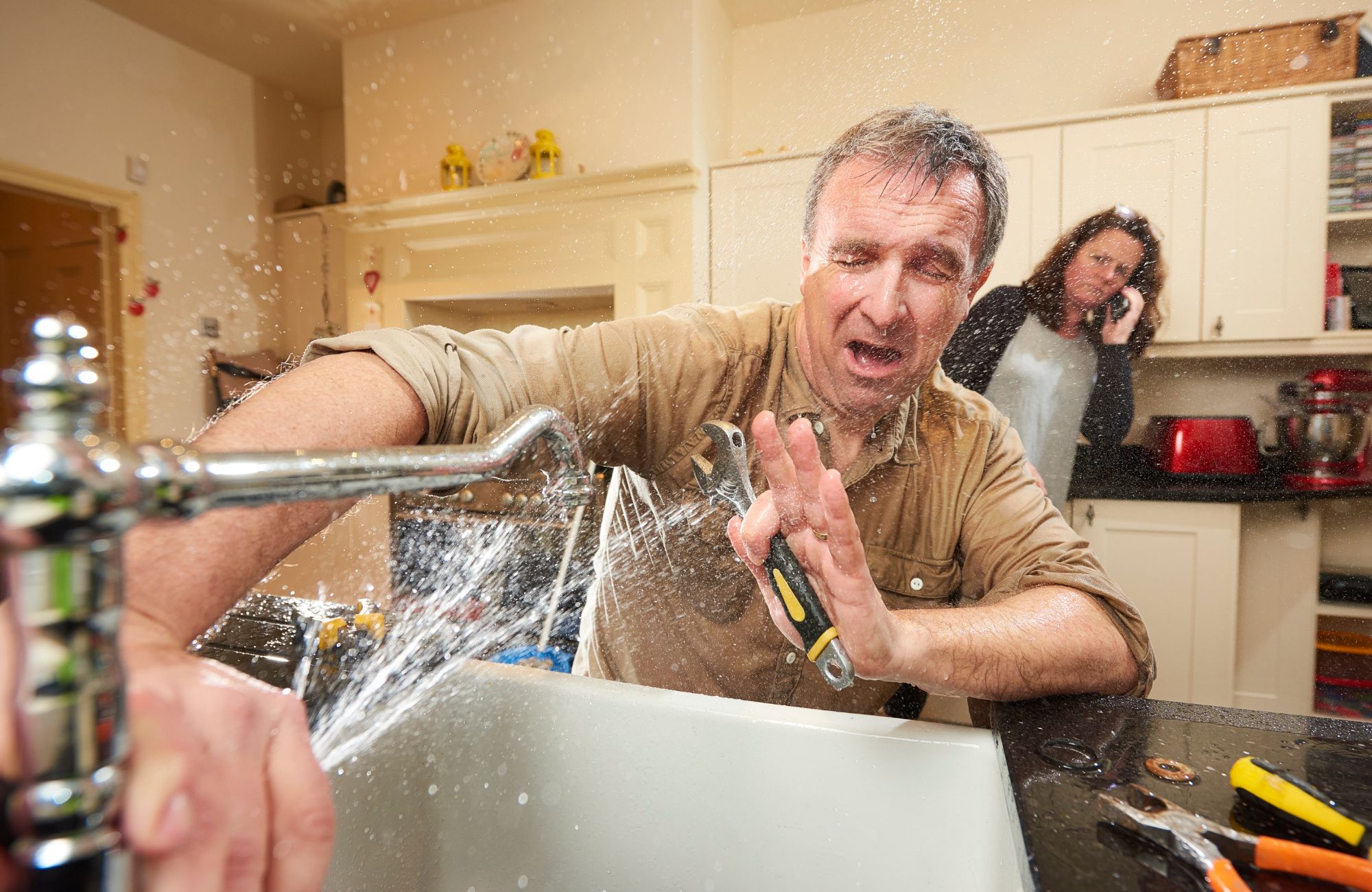
Plumbing emergencies can happen at any time and often catch you off guard. From a burst pipe to a clogged toilet or a broken water heater, these situations can cause a lot of stress. Knowing what to do right away can help prevent bigger problems. This guide will show you exactly what to do in a plumbing emergency, how to minimize damage, and when to call a professional plumber for help.
What Is Considered a Plumbing Emergency?
Before you take action, it’s helpful to understand what qualifies as a plumbing emergency. Not all plumbing issues need immediate attention, but some can cause severe damage if not addressed quickly. These are known as true plumbing emergencies.
Common Plumbing Emergencies
- Burst Pipes: One of the most severe plumbing emergencies, leading to significant damage and flooding if not controlled immediately.
- Sewage Backups: A sewer backup can lead to contamination and requires urgent attention.
- Gas Leaks: Any gas leak is an emergency and can be dangerous to your health and safety.
- Overflowing Toilet: A blocked toilet or overflowing toilet can cause extensive damage to the bathroom and surrounding areas.
Immediate Actions When a Plumbing Emergency Strikes
When a plumbing emergency occurs, the first thing you need to do is shut off the water supply to prevent further damage. Here’s what you should do immediately.
Shut Off the Water (Main Water Shutoff Valve)
The most important step is to shut off the water supply to stop the leak or prevent water from flowing into your home. If you can locate your main water shutoff valve, turn it off to stop water from reaching the affected area. This is essential when dealing with burst pipes, leaking pipes, or any situation where water flow needs to be stopped to prevent major damage.
- Where to Find the Main Water Shutoff Valve: Typically, the main shut-off valve is located near the water meter, in the basement, or along the exterior of your home.
Turn Off the Electricity (If Water is Near Electrical Outlets)
If the plumbing emergency involves water near electrical outlets or appliances, immediately turn off the power supply to avoid electrical hazards. This includes turning off the breaker box if there is standing water near water heaters, sump pumps, or any other electric models.
- Gas Valve: If a gas leak is involved, turn off the gas valve to prevent further risks.
Contain the Leak
If the water flow cannot be stopped immediately, try to contain it. Use towels, buckets, or containers to collect any dripping water or standing water to limit its spread.
- Temporary Fixes: You can use plumber’s tape on small leaks in pipes as a temporary fix to minimize damage until the emergency plumber arrives.
Major Plumbing Emergencies and How to Handle Them
Certain plumbing issues require quick action to prevent significant damage. Here are the steps you should take for the most common plumbing emergencies:
Burst Pipes
A burst pipe can cause significant flooding and water damage in a short period. The first thing to do is to shut off the water by locating and turning off the main water shutoff valve. This will stop the flow of water and help minimize damage to your home. After the water is off, reach out to a licensed plumber to assess the damage and make necessary repairs.
Overflowing Toilet
An overflowing toilet can quickly flood your bathroom and cause water damage to your floors and surrounding areas. The first step is to shut off the water supply by turning off the individual shut-off valve located behind the toilet. This will stop the water from flowing into the bowl. If the overflow continues, call a plumber to fix the blockage and check the pipes for any further issues.
Sewage Backup
A sewage backup can lead to contamination and health hazards if not addressed immediately. If you experience this issue, stop using all plumbing fixtures to prevent further backup and damage.
Gas Leaks
A gas leak is a dangerous plumbing emergency that requires fast action. If you suspect a leak, immediately turn off the gas valve to stop the flow of gas and prevent any further risk. Evacuate the area for safety, and then call a gas technician to resolve the issue quickly and safely.
By taking the right steps for each type of plumbing emergency and getting the help of a professional plumber, you can minimize damage and restore your home’s plumbing system.
Preventive Care: How to Avoid Future Plumbing Emergencies
Once the immediate crisis is handled, it’s time to think about preventive care. Taking steps to maintain your plumbing system can help you avoid future emergencies.
Regular Plumbing Inspections
Regular plumbing inspections help detect small issues before they become major problems. Schedule an inspection at least once a year to check for leaks, clogs, and any signs of wear on your pipes and fixtures.
Water Heater Maintenance
Your water heater needs regular maintenance to keep it working efficiently. Have it inspected and serviced annually to prevent water heater malfunctions.
Drain Cleaning
Prevent blockages and overflowing drains by scheduling regular drain cleaning. Avoid using chemical drain cleaners, as they can damage your pipes over time.
Conclusion
When a plumbing emergency occurs, it’s essential to act fast to minimize damage to your home. Whether it’s a burst pipe, overflowing toilet, or gas leak, taking immediate action can prevent further issues. Prestige Water Group is here to help with reliable, professional plumbing services. Our team is equipped to handle any plumbing emergency quickly and efficiently to ensure your home stays protected during the crisis.
If you’re facing a plumbing emergency, our experienced, licensed plumbers are just a phone call away. Contact us now and let us take care of the problem with the expertise and care you can rely on!
FAQs
What should I do first in a plumbing emergency?
The first thing to do is to stop the water flow by turning off your main water shutoff valve. This will prevent water from continuing to damage your home. Once the water supply is cut off, assess the situation and try to contain any leaks until professional help arrives.
How do I shut off the water in a plumbing emergency?
To stop water from flowing, locate the main water shutoff valve. It’s usually found near your water meter, in the basement, or where the main water line enters your home. If the problem is localized, you can also turn off the individual shut-off valve for the affected fixture.
When should I call a plumber during a plumbing emergency?
You should call a plumber immediately if you can’t stop the water, if the issue involves gas leaks or sewage backups, or if water is near electrical outlets. These situations can be hazardous and require a professional to resolve them safely.
Can I fix a plumbing emergency myself, or should I call a professional?
While you can handle minor actions like shutting off the water supply, complex plumbing issues like burst pipes, sewage backups, or gas leaks should be left to a licensed plumber to avoid causing further damage or putting your safety at risk.