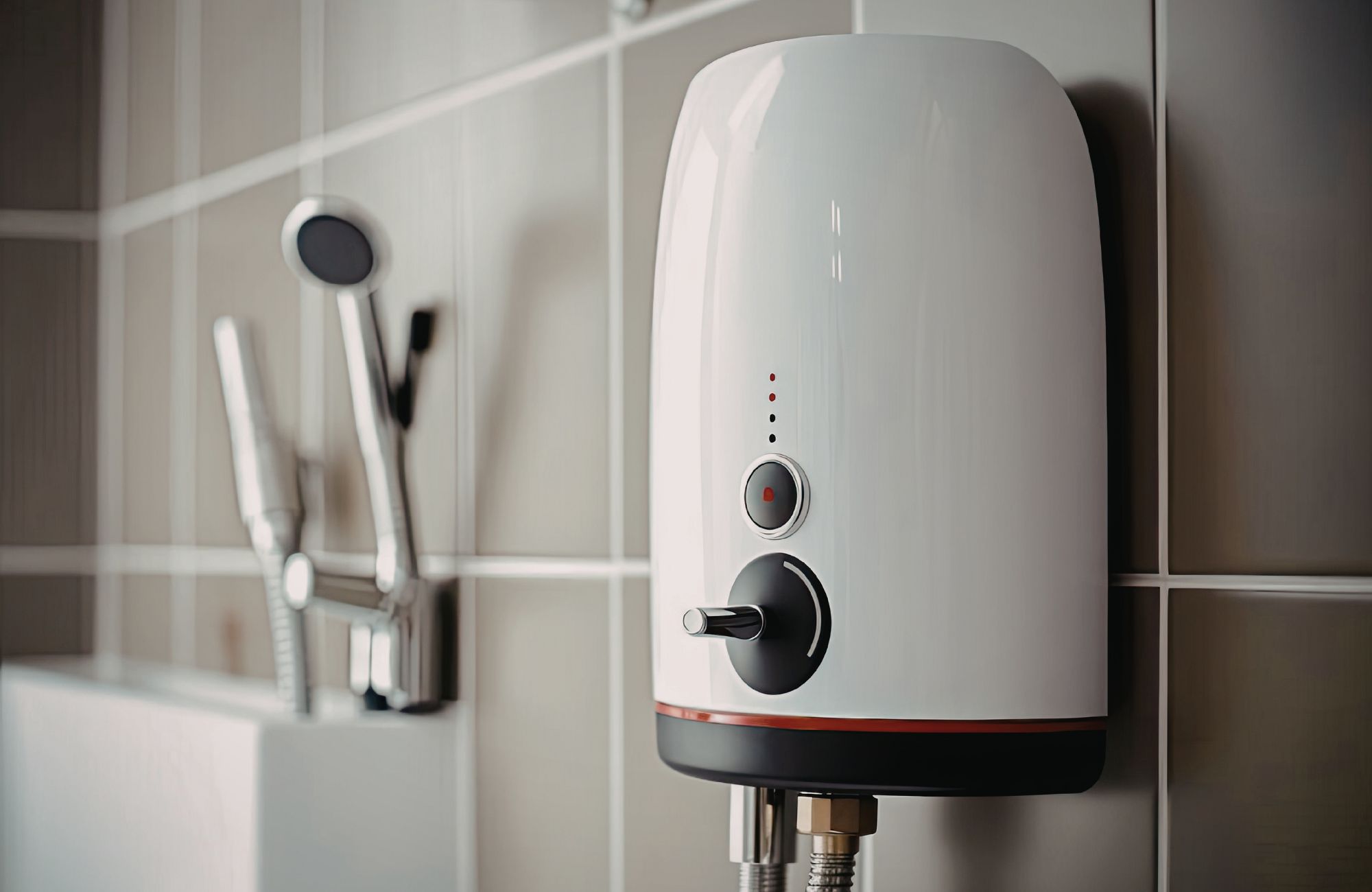
It’s a frustrating experience when you turn on the shower or faucet, only to find lukewarm water or worse, cold water. So you ask yourself, “Why is my water not getting hot enough?” Whether you’re dealing with an electric water heater, a gas water heater, or a tankless water heater, issues that lead to insufficient hot water are common. In this article, we will break down why your water heater might not be providing enough heat and the steps you can take to solve the problem.
Common Causes of Insufficient Hot Water
The following are typical reasons for not having enough hot water supply.
Faulty Heating Elements
If you’re using an electric water heater, the most common cause of water not heating properly is a faulty heating element. These elements are responsible for heating the water in your water heater tank. When an element fails, your water heater can’t heat the water to the desired temperature, leaving you with lukewarm or even cold water. This can happen due to sediment buildup inside the tank or simply from wear and tear over time. Electric water heaters usually have two elements: one near the top and one near the bottom of the tank. If one of these fails, it can significantly affect your hot water supply.
Solution: If you’re comfortable, you can test the heating elements with a multimeter, or it’s always a good idea to have a licensed plumber replace the broken one.
Thermostat Issues
The thermostat in your water heater regulates the temperature of the water. If it’s malfunctioning, the water heater may not be able to reach the proper water temperature, resulting in lukewarm water or insufficient hot water.
Solution: Check the thermostat setting. It should be set to around 120°F for optimal heating and energy efficiency. If the thermostat isn’t working properly, it may need to be replaced.
Sediment Buildup in the Tank
Over time, sediment buildup from dissolved minerals, such as calcium and magnesium, can accumulate at the bottom of the tank. This sediment buildup makes it harder for the heating elements to do their job, and it also lowers the efficiency of the heater, meaning the water heats more slowly and doesn’t stay hot for long.
Solution: To fix this, you should flush your water heater tank annually. This removes the sediment and allows the water heater to operate more efficiently.
Broken Dip Tube
The dip tube is a pipe inside the water heater tank that directs incoming cold water to the bottom of the tank, where it’s heated. If the dip tube breaks, the cold water gets mixed with the hot water supply, causing the water to not get hot enough when it comes out of the faucet or shower.
Solution: If the dip tube breaks, it needs to be replaced. A licensed plumber can perform this replacement to restore normal water heater function.
Gas Valve or Pilot Light Problems (Gas Water Heaters)
For those with gas water heaters, the issue could be with the gas valve or pilot light. If the pilot light goes out or the gas valve malfunctions, your water heater won’t be able to heat water properly. In some cases, you may even notice a rotten egg smell, which is a clear indication of a gas leak.
Solution: If the pilot light is out, you can relight it according to the manufacturer’s instructions. If the gas valve is faulty or you smell gas, it’s time to call a gas company and a licensed plumber to address the issue.
Tankless Water Heaters vs. Traditional Water Heaters
Below are the key differences between tankless water heaters and traditional water heaters:
Tankless Water Heater
A tankless water heater is a more efficient model because it heats water on demand rather than storing it in a tank. However, if your household has high hot water demand, such as multiple people showering at the same time or using various hot water appliances, a tankless water heater may struggle to meet the demand.
Traditional Water Heater Tanks
A water heater tank stores hot water, making it ready for use at any moment. However, if the tank is undersized for your household or if it’s an older model, it may run out of hot water quickly, especially during peak usage times.
Diagnosing and Troubleshooting Your Water Heater
To fix issues with your water heater, you’ll need to start by troubleshooting. Here’s a guide on how to diagnose common problems.
Check the Thermostat
The thermostat is an easy fix. Start by ensuring it’s set to the correct temperature (usually 120°F). If the water still isn’t hot enough after adjustment, it’s possible the thermostat is faulty and needs to be replaced.
Inspect Heating Elements
If you have an electric water heater, the next step is to inspect the heating elements. If one is faulty, the water won’t heat properly. You can test the elements with a multimeter, or you can call a licensed plumber to replace them.
Look for Sediment and Leaks
Sediment buildup inside the tank can cause slow heating. If you haven’t flushed the tank recently, do so to remove sediment. Additionally, check for any leaking water tanks. A leak can significantly affect water temperature and pressure.
Examine the Dip Tube
The dip tube should direct cold water to the bottom of the tank. If it’s broken, it causes cold water to mix with the hot water supply, leaving you with lukewarm water. If the dip tube is damaged, it should be replaced by a professional.
Check Gas Components for Gas Water Heaters
If you’re using a gas water heater, check if the pilot light is on. If it’s out, relight it. Also, inspect the gas valve for issues. If there’s a gas leak, stop using the water heater immediately and call a gas company and a licensed plumber.
How to Troubleshoot Your Water Heater
If your water isn’t getting hot enough, here’s what you can check:
- Check the Thermostat: Make sure your thermostat is set to the correct temperature. Usually, 120°F is best for both comfort and energy savings.
- Inspect the Heating Elements: If you have an electric water heater, check the heating elements for damage. If one is broken, it may need to be replaced.
- Look for Sediment or Leaks: Sediment can slow down your water heater. If you haven’t flushed the tank in a while, it’s a good idea to do that. Also, check for any leaks in the tank.
- Examine the Dip Tube: If your dip tube is broken, it’s time to replace it. This will help prevent cold water from mixing with hot water.
- Check Gas Components (Gas Water Heaters): If you have a gas water heater, check the pilot light to see if it’s on. If it isn’t, relight it. If you smell rotten eggs (a sign of a gas leak), call your gas company immediately.
Regular Maintenance to Keep Hot Water Flowing
Keeping your water heater in good condition can help prevent problems in the future. Here are some easy maintenance tips:
- Flush the Tank: Flush your water heater tank every year to remove sediment buildup.
- Check the Thermostat and Heating Elements: Check the thermostat and heating elements to make sure they’re working well.
- Inspect the Anode Rod: The anode rod helps prevent corrosion in your water heater. If it’s too worn, it should be replaced.
- Call a Professional: If you’re not sure how to perform maintenance or if you’re dealing with serious issues, call a licensed plumber to take care of it for you.
Conclusion
If your water isn’t getting hot enough, it could be due to several issues, from faulty heating elements to a broken dip tube. Fortunately, most of these problems can be diagnosed and repaired with the right approach. Regular maintenance, such as flushing the tank and checking the thermostat, can help keep your water heater in top shape.
If you’re still having trouble, it’s time to call in a professional plumber. At Prestige Water Group, we specialize in water heater repair and maintenance, ensuring you have hot water when you need it most. Contact us today for a professional assessment and expert service.
FAQs
Why is my water heater only putting out lukewarm water?
Lukewarm water can be caused by a broken dip tube, faulty heating elements, or an undersized water heater. A broken dip tube can mix cold and hot water, while faulty heating elements will not heat the water properly.
How to fix a lack of hot water?
Start by checking the thermostat settings to ensure it’s set to 120°F. If the problem persists, flush the tank to remove sediment buildup or inspect the heating elements for damage. If you have a gas water heater, check the gas valve and pilot light.
How do I get my hot water hotter?
To get hotter water, adjust the thermostat to a higher setting, typically 120°F. If the water still isn’t hot enough, check for sediment buildup in the tank or damaged heating elements that may need replacement.