Having clean, safe water in your home is essential for both your health and your plumbing. If you rely on well water, you may face specific challenges that tap water users don’t experience. Contaminants like iron, manganese, sulfur (rotten egg smell), and other harmful substances can affect the water’s quality, taste, and even your plumbing. The right water filtration system can remove these impurities, improve your water supply, and protect your home.
In this article, we’ll help you understand the different types of filters for well water, how to choose the best system for your needs, and explore some of the best whole-house water filtration systems on the market.
Why Well Water Needs a Filtration System
Well water is different from city water because it comes from underground sources, which means it’s more susceptible to contamination. The most common contaminants in well water include:
- Iron and manganese: These metals can stain your fixtures and laundry and affect the taste of your water.
- Hydrogen sulfide: This causes the rotten egg smell in your water.
- Heavy metals: These can pose serious health risks.
- Sediment: Dirt and other particles can clog pipes and appliances.
- Bacteria and viruses: Without treatment, these can be harmful, especially if you have a private well.
If you don’t filter your well water, you could end up with poor water quality, which affects everything from your drinking water to your plumbing.
Types of Water Filters for Well Water
There are several different house filtration systems available. The best option depends on your water’s contaminants and your needs.
Whole House Water Filtration Systems
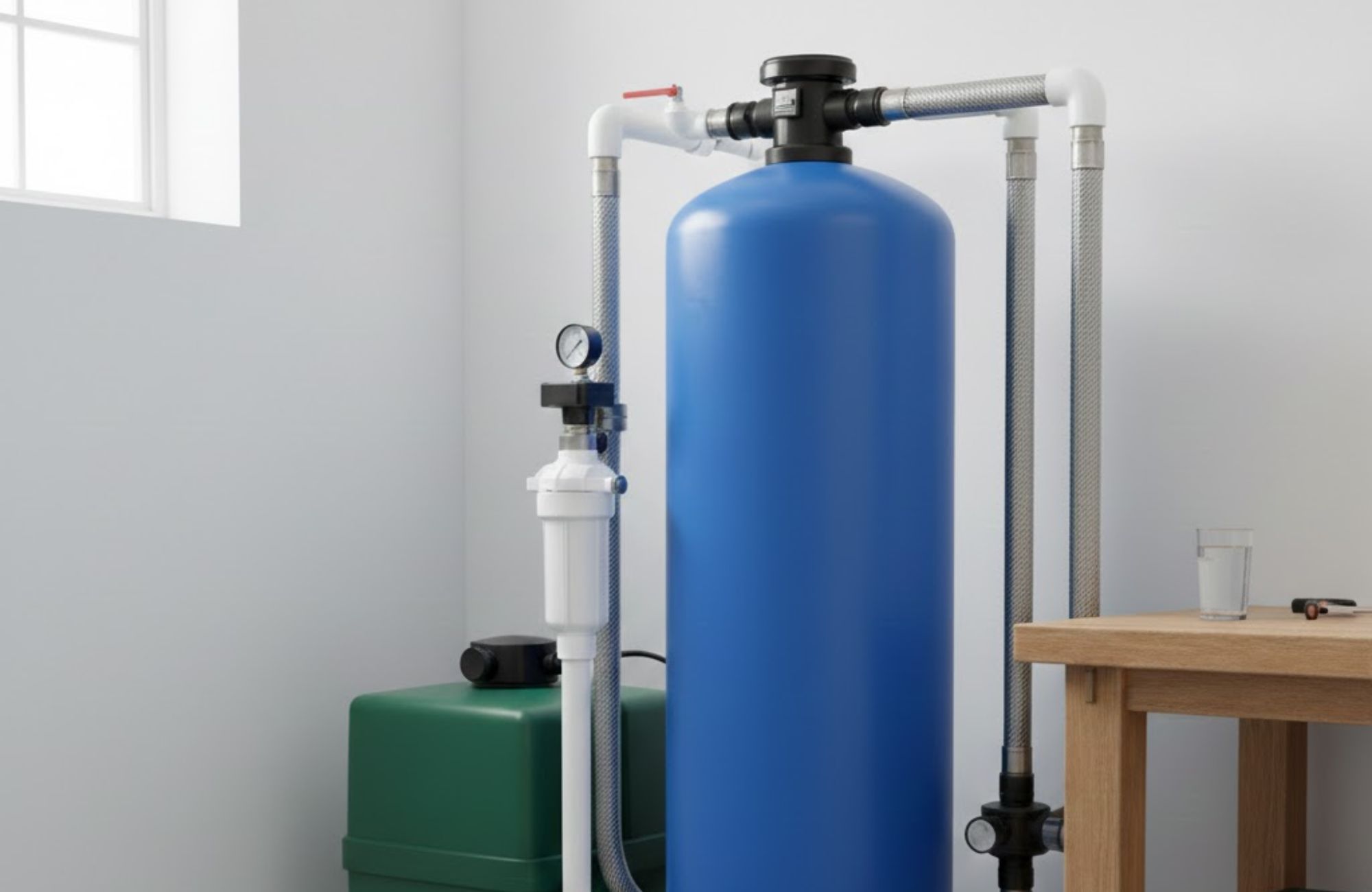
A whole-house water filter treats all the water that enters your home. This means every faucet, shower, and appliance will get clean, filtered water. These systems are ideal if you want to remove sediment, iron, sulfur, and heavy metals from your entire water supply.
Benefits:
- Filters all the water in your home, including drinking, bathing, and laundry water.
- Protects plumbing, water heaters, and appliances.
- Reduces contaminants like iron, manganese, and hydrogen sulfide.
Types of Whole House Filters:
- Carbon Filters: Effective at removing chlorine, volatile organic compounds (VOCs), and bad tastes.
- Sediment Filters: Ideal for removing dirt and particles from well water.
- Reverse Osmosis (RO) Systems: Best for removing dissolved solids, heavy metals, and other contaminants.
- UV Filters: Kill bacteria and viruses, especially useful if your water tests positive for microbial contamination.
Point-of-Use Filters
Point-of-use filters, such as drinking water filters or under-sink filters, are ideal for treating water at a specific location, such as the kitchen faucet. These filters provide safe drinking water and are a cost-effective solution if you’re only concerned with the water you drink.
How to Choose the Best Water Filter for Your Well Water
Choosing the right filtration system for your well water requires some understanding of your water’s quality. Here are the steps to guide you:
Step 1: Test Your Well Water
Before selecting a water filtration system, you must understand the specific contaminants in your well water. A water test will identify harmful substances like iron, sulfur, heavy metals, and bacteria. Many local companies offer water testing services, or you can buy a DIY water test kit. UV sterilization can also effectively kill bacteria, viruses, and cysts, and is often paired with sediment filters, which block UV light.
Step 2: Match the Filter to Your Contaminants
Once you know what’s in your water, you can select the right filter system. Here are a few things to look for:
- Iron and manganese removal: Look for systems with iron removal filters or manganese filters, which are common in wells with high metal content.
- Sulfur removal: If your water smells like rotten eggs, a sulfur filter or air injection system is needed.
- Sediment removal: If your water contains dirt or particles, consider a sediment filter.
- UV filtration: If your water contains bacteria, a UV filter can eliminate harmful microorganisms.
Step 3: Consider Water Flow and Pressure
A house water filtration system will reduce the flow rate of your water. This can be a concern if you have high water demands. Choose a system that can handle your household’s water needs without significantly reducing water flow and water pressure.
Step 4: Look at Maintenance Requirements and Filter Costs
Most filter systems require regular maintenance, including filter replacements. Some systems, like reverse osmosis filters, may require more frequent maintenance. Compare filter costs and replacement schedules when selecting a system.
Top Water Filters for Well Water
Here are some of the best well water filtration systems available:
1. SpringWell WS Whole House Water Filtration System
The SpringWell WS system is designed for well water and can remove contaminants like iron, manganese, sulfur, and sediment. It also improves the taste and odor of your water.
Key Features:
- Multi-stage filtration
- Removes iron, manganese, and hydrogen sulfide
- Minimal maintenance required
2. iSpring RCC7 Reverse Osmosis System
The iSpring RCC7 is a reverse osmosis system that filters out heavy metals, dissolved solids, and other contaminants. It’s a great option if you want highly purified drinking water.
Key Features:
- Reverse osmosis filtration
- Removes total dissolved solids, chlorine, and heavy metals
- Provides filtered drinking water
3. Aquasana EQ-1000 Whole House Filter System
The Aquasana EQ-1000 is a popular choice for homeowners looking for a system that reduces chlorine, sediment, and heavy metals. It’s a good all-around option for improving water quality throughout the home.
Key Features:
- Whole-house filtration
- Reduces chlorine, sediment, and VOCs
- 10-year filter life
Maintaining Your Water Filter System
To ensure your water filtration system continues to perform effectively, it’s important to follow some key maintenance practices. First, frequent filter replacements are essential for maintaining optimal performance. Most systems, including whole-house filtration systems, require new filters every 6 to 12 months, depending on factors like usage and the quality of your well water. Regular water tests should also be conducted, ideally once a year, to confirm that the system is still effectively removing contaminants. These tests can help you spot any issues early, ensuring your household water filters remain efficient. Additionally, while routine maintenance can be done by homeowners, it’s wise to consider professional installation and maintenance.
A licensed plumber can install your system correctly and perform regular checks to ensure it continues functioning properly, providing you with peace of mind and clean, filtered water throughout your home.
Conclusion
Choosing the best water filter for well water depends on the contaminants in your water, your household needs, and your maintenance preferences. With the right system, you can ensure that your family has access to clean, safe water for drinking, cooking, and bathing. Test your water, choose the right water filtration system, and enjoy better water quality throughout your home.
Looking for the best water filter for your well water in New Jersey? Prestige Water Group provides expert advice and professional installation for all types of water filtration systems. Whether you need a whole-house water filter or a specialized solution for well water, our licensed team is ready to help. Contact us today. Call (973) 227-4740 or email info@pwgroupnj.com to get started. You can also visit pwgroupnj.com to explore our full range of plumbing and water treatment services.
FAQs
What is the best filter for well water with high iron?
For high iron content, look for iron removal filters or reverse osmosis systems.
Can a whole-house water filter remove hydrogen sulfide (rotten egg smell)?
Yes, systems that include activated carbon filters or air injection systems are effective at removing hydrogen sulfide.
How often do I need to replace my whole house filter?
It depends on the type of system, but most house filters require replacement filters every 6 to 12 months.
What Water Filter is Best for Well Water?
The best water filter for well water depends on the contaminants present. A whole-house filtration system with sediment filters and activated carbon filters works well for removing common impurities like iron and manganese. If you have bacteria, a UV filter or reverse osmosis system is recommended for safe drinking water.
Should I Put a Filter on My Well Water?
Yes, installing a well water filtration system is highly recommended. It removes harmful contaminants such as sediment, iron, and sulfur, ensuring clean, safe water throughout your home. A whole-house filtration system provides clean water for drinking, bathing, and appliances.
What is the Best Way to Treat Well Water for Drinking?
The best way to treat well water for drinking is by using a whole-house water filter that targets contaminants like iron, manganese, and heavy metals. A reverse osmosis system or UV filter can be added for additional protection against bacteria and viruses, ensuring safe drinking water.
Which is Better, 5 Micron or 20 Micron for Well Water?
A 5 micron filter is better for fine sediment and small particles, while a 20 micron filter is ideal for larger debris like sand and rust. Choose a 5 micron filter if you have fine particles in your well water, or use a combination for more comprehensive filtration in a house water filtration system.