Your home depends on a working sewer line to carry wastewater away from the house. When this pipe fails, it can affect the entire home’s plumbing system, including sinks, toilets, and other plumbing fixtures. A broken sewer line or broken sewer pipe can create slow drainage, sewage odors, and backups throughout the house.
You may start asking, how do you know if your sewer line is broken? The answer usually comes from noticing several warning signs across your drain system and drainage system. Slow drains, sewage smells, or water pooling in the yard can indicate a sewer line problem. These issues can develop due to aging pipes, tree roots, shifting soil, or damage to the home’s main sewer line.
This guide explains the common signs of a broken sewer pipe, what causes sewer line damage, and how a professional plumber confirms the problem.
What the Sewer Line Does in a Home Plumbing System
Your plumbing relies on a connected system of pipes that move water and waste away from your home.
How the Main Sewer Line Moves Wastewater Away
Every time you use a toilet, sink, or shower, wastewater enters the drain system. These smaller pipes carry water into the home’s main sewer line, which connects to the local sewer system. Your main sewer line carries wastewater away from the house through a single large pipe buried underground. If this pipe develops cracks or breaks, waste can no longer flow properly through the sewer system.
Common plumbing fixtures connected to the sewer line include:
- Toilets
- Sinks
- Tubs and showers
- Washing machines
- Floor drains
- Sump pump discharge lines
When the main sewer line fails, the entire drainage system can be affected.
Why Sewer Line Damage Affects Multiple Fixtures
A single clogged drain usually affects only one sink or bathtub. However, a sewer line problem can affect the entire plumbing system because the home’s main sewer line carries wastewater from all plumbing fixtures.
If the main sewer line is damaged, you may notice slow drains across the house, multiple drains clogging at the same time, gurgling noises in pipes, or sewage backing up into sinks or tubs. When more than one drain stops working properly, the problem may involve the broken line that carries wastewater away from your house.
Common Signs of a Broken Sewer Line
The telltale signs of a broken sewer line usually appear in several places in the home or yard. Below are the common signs homeowners often notice first.
Slow Drains in Multiple Fixtures
One of the first warning signs is slow drainage in sinks, tubs, or toilets.
A main sewer line clog or a cracked sewer line can prevent wastewater from leaving the house properly. As a result, you may notice:
- Slow-draining sinks
- Slow drains in tubs and showers
- Water is backing up in the floor drains
- Clogged drains are appearing throughout the house
If multiple fixtures develop slow drainage at the same time, the issue may involve the home’s main sewer line rather than a single pipe.
Frequent Sewage Backups
A sewage backup is one of the most serious signs of a broken sewer pipe. When wastewater cannot flow through the sewer pipe, it may return through household drains.
You may see:
- Sewage coming up from a toilet
- Dirty water appears in sinks
- Wastewater entering the basement drains
- Frequent backups in tubs or showers
These backups can expose the home to raw sewage, which can create a health hazard.
Gurgling Noises From Drains
Strange sounds from plumbing fixtures may signal air trapped inside the drain system. When a broken sewer pipe disrupts the flow of wastewater, air pressure builds up in the pipe. This pressure can produce gurgling sounds or noises.
Common places you may hear this include:
- Sinks
- Bathtubs
- Floor drains
- Toilets
Persistent gurgling sounds may indicate a collapsed sewer line or a developing sewer line breakage.
Strong Sewer Odor or Sewer Gas
A working sewer system keeps gases contained inside pipes. A cracked sewer line or a leaking sewer line can allow sewer gas to escape.
You may notice:
- Strong sewer odor inside the house
- Sewage smells near drains
- Foul smells that may come from the yard
A sewer odor can signal that a cracked line, cracked sewer, or cracked drainpipe is allowing gases to leak from the pipe.
Wet Areas or Sewage in the Yard
Damage to an underground sewer pipe may affect the ground beneath your yard.
When wastewater escapes from a damaged sewer line, you may notice:
- Wet patches in the yard
- Areas of standing sewer water
- Unusually green grass
- Soil sinking in certain areas
These conditions can occur when sewer line damage allows wastewater to seep into the surrounding soil.
Mold Growth or Structural Problems
Moisture from a leaking sewer line can enter the house through the foundation or basement walls.
Possible warning signs include:
- Mold growth along walls or floors
- Damp basement areas
- Musty smells near plumbing fixtures
Persistent moisture can also affect the home’s foundation, which may lead to major issues if left untreated.
Sewer Line Problem vs. Simple Drain Clog
Many homeowners mistake a clogged drain for a sewer line problem. The difference often depends on how many fixtures are affected.
| Issue | Typical Cause | Common Symptoms |
| Single clogged drain | Blockage in one pipe | One sink is draining slowly |
| Main sewer line clog | Blockage in the main line | Multiple drains are slow or backing up |
| Broken sewer pipe | Pipe cracks or breakage | Sewage backup and strong odors |
| Collapsed sewer line | Structural pipe failure | Widespread plumbing failure |
If you notice more than one drain backing up at the same time, the problem may involve the home’s main sewer line rather than a simple blockage.
Common Causes of Sewer Line Damage
Several factors can damage an underground sewer pipe.
Tree Root Intrusion
One of the most common causes of sewer line issues is tree root intrusion. Tree roots grow toward moisture, and sewer pipes can attract them. When roots reach the pipe, they may enter through small cracks or weak spots. As the roots grow, they can cause cracks in the pipe, block the flow of wastewater, and lead to sewer line breakage. Homes with large trees near the sewer line may have a higher risk of this type of damage.
Shifting Soil and Ground Movement
The pipe underground rests in soil that can move over time. Changes in the surrounding soil or shifting soil can place stress on the pipe and lead to a cracked line. Ground movement may occur due to freezing and thawing soil, heavy rainfall, or soil settling around the house. When the ground beneath the pipe shifts, the pressure can cause the pipe to develop new cracks or other sewer line damage.
Aging Pipes and Corrosion
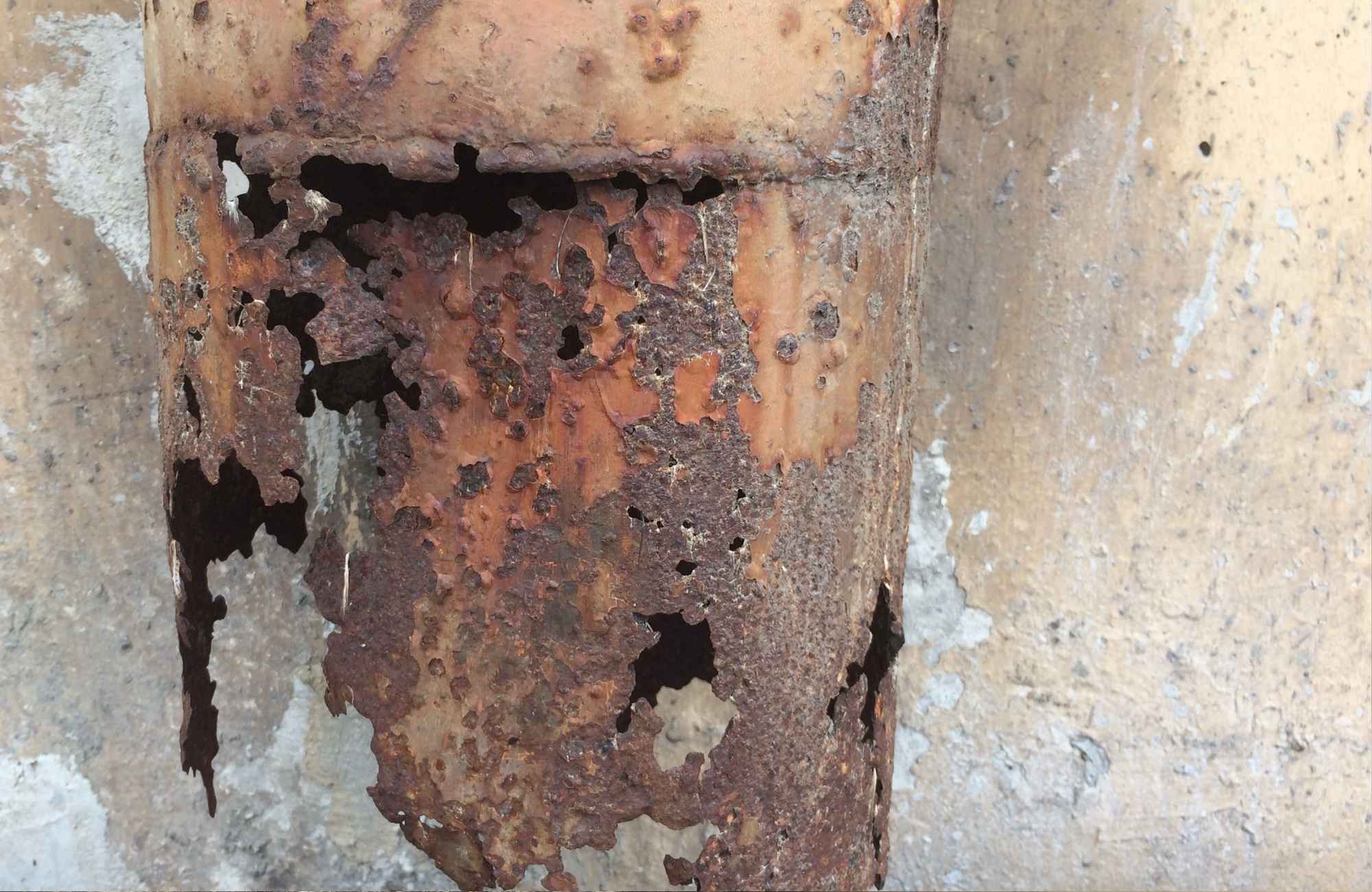
Older homes may have sewer pipes made of cast iron or clay. These materials can weaken as they age and may develop cracks, corrosion, or sections of a cracked sewer line. Over time, aging pipes can fail and lead to busted sewer lines or other severe damage in the sewer system.
Collapsed or Broken Sewer Pipes
Heavy pressure on the sewer pipe can lead to a collapsed sewer line. This can happen when soil becomes compressed, when construction work takes place near the line, or when heavy vehicles pass over the area above the pipe. Over time, this pressure can damage the pipe structure and cause it to break or collapse. A fully collapsed sewer line often requires the installation of a new pipe to restore proper wastewater flow through the system.
How Plumbers Confirm Sewer Line Damage
A professional plumber uses several tools to diagnose sewer line problems.
Video Inspection of the Sewer Pipe
The most common diagnostic method is a video inspection. During this process, a small camera travels through the sewer pipe to inspect the interior.
This inspection can identify:
- cracked sewer pipe sections
- root intrusion
- blockages or debris
- pipe collapse
A video inspection allows plumbers to determine the exact location of the damage.
Determining Minor vs. Severe Damage
Not all sewer line damage requires full replacement. A plumber will evaluate whether the pipe has minor damage or severe damage.
| Condition | Possible Solution |
| Small cracks | Local repair |
| Root intrusion | Pipe cleaning and root removal |
| Partial collapse | Section replacement |
| Severe pipe damage | Installation of a new pipe |
The best course of action depends on the condition of the sewer pipe.
When a Broken Sewer Line Becomes a Health Hazard
A damaged sewer pipe can expose your home to raw sewage. Sewage contains bacteria and other contaminants that can create a health hazard for anyone in the house. When the sewer line cannot carry wastewater away properly, sewage may back up through drains or leak into the surrounding soil.
You may need immediate assistance if sewage backs up into sinks or tubs, if you smell strong sewer gas inside the house, if wastewater pools in the yard, or if water enters the basement through drains. These problems can affect indoor air quality and contaminate the soil around your home.
Preventing Sewer Line Problems
Some sewer line problems develop slowly over time. Regular maintenance can help reduce the risk of major damage.
Routine Plumbing Maintenance
Some sewer line problems start small and develop slowly. Regular maintenance can help reduce the risk of serious sewer line damage. When you pay attention to how your drains work and check your plumbing system regularly, you can catch early signs of a sewer line problem before it turns into a broken sewer line.
Simple maintenance steps can help protect your sewer system. Scheduling regular inspections of the sewer line allows a professional plumber to check the condition of the pipe and look for early cracks or blockages. Using professional drain cleaning services helps remove buildup inside the drain system so wastewater can flow properly. You should also watch for slow drains in sinks or tubs. Slow drainage may be one of the first signs of a sewer line issue. When problems are found early, a small crack or blockage can often be repaired before it becomes a larger sewer line repair.
Managing Tree Roots Near Sewer Pipes
Tree roots can damage underground sewer pipes. Roots naturally grow toward moisture, and a sewer line can attract them. Over time, roots may enter small cracks in the pipe and expand inside it. This process can lead to tree root intrusion, which may block the pipe or cause a broken sewer pipe.
You can reduce this risk by being careful about where trees are planted. Avoid planting large trees close to sewer lines, since their roots can spread widely underground. If there are older trees growing near the pipe route, monitor them regularly. Root growth from these trees can reach the sewer pipe and create pressure that leads to cracks, blockages, or other sewer line damage.
Watching for Early Warning Signs
Homeowners should watch for early warning signs, such as:
- Slow-draining sinks
- Gurgling noises in pipes
- Recurring clogged drains
- Sewage smells near drains
These signs may indicate a developing sewer line problem.
What Happens During Sewer Line Repair
If the sewer pipe is damaged, a professional plumber will inspect the line and determine the most appropriate sewer line repair method. The repair approach depends on the condition of the pipe and how severe the damage is. In some cases, the problem may involve a small crack in the sewer pipe. In other situations, the pipe may be badly damaged or collapsed.
Repair options vary depending on the situation. A plumber may repair a cracked sewer pipe, replace a damaged section of the pipe, or install a new pipe if the existing line has severe damage. The repair method will depend on several factors, including the pipe material, such as cast iron, the extent of the pipe damage, and the location of the break in the sewer line. Some repairs only require replacing a short section of pipe, while others may involve fixing major issues affecting the entire sewer line.
When to Call a Professional Plumber
You should contact a professional plumber if you notice signs of a broken sewer line in your home. Sewer line problems often affect several parts of the plumbing system at the same time. If wastewater cannot move through the pipe properly, it may create drainage problems, sewage odors, or backups inside the house.
A plumbing inspection is recommended if you notice slow drainage across the house, multiple fixtures backing up, or a strong sewer odor inside your home. Other warning signs include sewage appearing in sinks or toilets and wet patches forming in the yard above the sewer line. These problems may indicate damage to the home’s main sewer line. A licensed plumber can inspect the pipe and determine whether the line has cracks, tree root intrusion, or other structural damage that requires sewer line repair.
Conclusion
A broken sewer line can cause slow drains, sewage backups, and strong sewer odors throughout the house. Damage to the main sewer line may affect multiple drains and plumbing fixtures simultaneously and can also impact the yard and surrounding soil. Recognizing these warning signs early can help reduce the risk of larger damage to the home’s plumbing system and foundation. When sewer line problems appear, Prestige Water Group is here to help you identify the issue and restore proper function to your sewer system.
If you notice signs such as slow drains, frequent backups, gurgling sounds, or sewage smells, contact us today for professional sewer line inspection and repair. Our licensed plumbers provide residential plumbing services across Northern New Jersey, including 24/7 emergency plumbing services for homeowners who need immediate assistance.
FAQs
What are the signs of a broken sewer line?
Common signs of a broken sewer line include slow drains, sewage backups, gurgling sounds in pipes, and strong sewer odor inside the house. You may also see wet patches in the yard or sewage backing up into sinks or tubs. These symptoms often mean wastewater cannot flow through the main sewer pipe properly.
How do you tell if your main sewer line is clogged?
A main sewer line clog usually affects several plumbing fixtures at the same time. You may notice slow drains in multiple sinks, water backing up into tubs, or a toilet that gurgles when another drain is used. When more than one drain has problems, the issue may involve the main sewer line.
What happens when a sewer line breaks?
When a sewer line breaks, wastewater cannot move through the pipe correctly. This may cause sewage backups, slow drains, and strong sewer odors inside the house. Wastewater can also leak into the surrounding soil or yard, which may damage the ground and create sanitation problems.
What causes sewer line damage in a home?
Several factors can cause sewer line damage, including tree root intrusion, shifting soil, aging pipes such as cast iron, and pressure from heavy ground movement. These issues can crack the sewer pipe or cause the line to collapse, which prevents wastewater from flowing through the sewer system.
When should you call a plumber for sewer line problems?
You should call a plumber if you notice slow drains in multiple fixtures, sewage backups, strong sewer odors, or wet spots forming in the yard. These warning signs may indicate a broken sewer line or damage to the main sewer pipe that requires professional inspection.