Ever wondered how to test water quality at home with a kit? Testing your drinking water helps you understand what is entering your home and how it may affect safety, taste, and plumbing. A water test kit allows you to check water quality at home before deciding whether treatment or professional testing is needed. This article explains how to test water quality at home with a kit, how to read test results, and when a lab test may provide clearer answers.
What a Water Test Kit Can Tell You
A water quality test kit measures indicators that point to possible issues in drinking water. Home test kits are designed to detect common contaminants tied to plumbing materials, water treatment methods, and source conditions. These indicators help you understand whether water quality may affect safety, health risks, or system performance.
Most home water quality test kits check for chlorine, free chlorine, total chlorine, total dissolved solids, metals such as lead and iron, and bacteria indicators like coliform bacteria. Some kits also test for chemical markers linked to volatile organic compounds. A DIY test provides a screening view, not a diagnosis. Results vary based on the kit type, how the sample is collected, and the water source.
Home testing does not provide a complete picture of every possible contaminant. Instead, it helps you decide whether further water testing or lab analysis may be needed.
Types of Water Test Kits You Can Use at Home
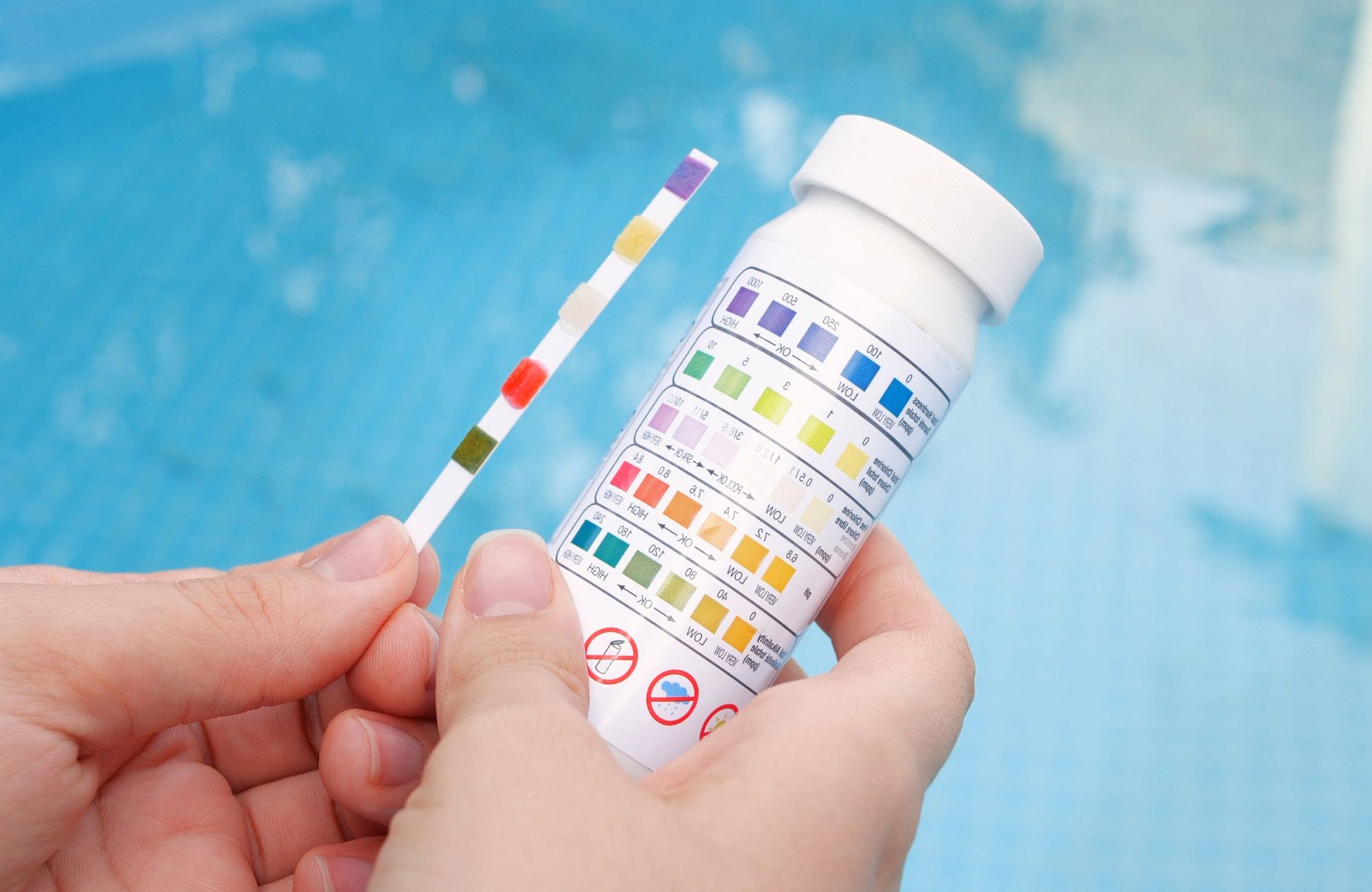
Test strips are the most common and user-friendly option for a home water quality test. You place a strip into a water sample and compare the color change to a reference chart. Test strips often measure chlorine, free chlorine, total chlorine, pH, and total dissolved solids. A single strip kit works well for quick checks but does not provide detailed results.
Multi-parameter home test kits measure several contaminant levels at once. These kits may detect lead, iron, chlorine, minerals that affect taste, and indicators linked to aging pipes. While more informative than a basic strip, these kits still rely on visual comparison and may not produce accurate results for low-level contaminants.
Lab test kits require you to collect a water sample and send it to a certified lab. National testing laboratories and services, such as Tap Score, analyze samples using professional equipment. A lab test can detect volatile organic compounds, hydrogen sulfide, bacteria, PFAS testing markers, and polyfluoroalkyl substances, also known as forever chemicals. Lab testing provides detailed results and a detailed report that compares contaminant levels to the federal limit.
Step-by-Step: How to Test Water Quality at Home With a Kit
To begin the process, collect a water sample from a kitchen faucet. Let the tap water run for several seconds to clear standing water from the pipes. This step reduces the effect of stagnant water sitting inside the plumbing system. Use the container provided with the kit and avoid touching the inside surface.
After collecting the sample, follow the instructions included with the water test kit. The testing process may involve dipping a strip, adding drops, or sealing the sample for lab testing. Timing matters. Reading results too early or too late can affect accuracy. Keep the test area clean and use good lighting when comparing colors.
Once the test is complete, compare your test results to the reference chart. Look for high levels or readings outside the normal range. Home test kits help identify trends and surface issues. When results appear unclear or concerning, a lab test may be needed for confirmation.
Common Contaminants Found in Home Water
Many water quality concerns are tied to the water supply, plumbing materials, or treatment process. The table below shows common contaminants and why they matter.
| Contaminant | Typical Source | Why It Matters |
| Lead | Lead pipes or solder | Health risks, especially for children |
| Iron | Natural minerals | Taste and staining |
| Chlorine | Municipal treatment | Taste and odor |
| Coliform bacteria | System contamination | Safety concerns |
| Hydrogen sulfide | Groundwater | Sulfur smell |
| PFAS | Industrial exposure | Long-term health risks |
Other contaminants may include metals, minerals, chemical byproducts, and volatile organic compounds. Each contaminant has different safety thresholds and health implications.
Health Risks Linked to Poor Water Quality
Poor water quality can present potential health risks depending on exposure level and duration. Bacteria may cause short-term illness, while contaminants such as lead or forever chemicals are linked to long-term health risks. Some contaminants affect taste or odor first, while others show no visible signs. Children, older adults, and people with compromised immune systems may be more sensitive to harmful contaminants. Water testing helps identify risks early, so steps can be taken to protect drinking water and household safety.
Understanding Your Water Source
Municipal water systems test water regularly and publish findings in a consumer confidence report. This report shows what the local water utility tested for and whether contaminant levels meet the federal limit. While useful, the report does not reflect conditions inside your home. Aging pipes or lead pipes within the plumbing system can affect water quality after treatment.
Private wells do not receive routine municipal testing. Homeowners using well water are responsible for their own water testing. Well water may contain bacteria, iron, hydrogen sulfide, or other contaminants linked to local geology. Regular testing helps track changes in water quality over time.
When a Home Test Kit Is Not Enough
A home test kit works well for screening, but has limits. Lab testing is appropriate when test results show high levels, when taste or odor problems persist, or when chemical exposure is suspected. PFAS testing and testing for volatile organic compounds typically require lab analysis. A certified lab provides accurate results and a detailed report that explains contaminant levels and possible health risks. This information supports informed decisions about treatment or plumbing adjustments.
Treating Water After Testing
Water treatment depends on the contaminants present. A water filter may address chlorine, taste issues, or specific chemicals. Some filters are designed for metals, while others target bacteria or chemical contaminants. The condition of pipes and the plumbing layout also affect water quality and treatment effectiveness.
Conclusion
Testing your water helps you understand what is present and how it may affect safety, taste, and plumbing over time. Results can vary by water source, plumbing materials, and local conditions, so follow-up matters when readings are unclear or elevated.
Prestige Water Group provides licensed residential plumbing services across Northern New Jersey, including support for water quality concerns and plumbing system evaluations. A professional review can help confirm findings and outline practical next steps based on your home’s water supply. Contact us today to schedule an evaluation and get clear answers about your plumbing system.
FAQs
Are DIY water testing kits accurate?
DIY water testing kits are accurate for basic screening but not for full analysis. They can detect common indicators such as chlorine, total dissolved solids, iron, and signs of bacterial presence. Results depend on proper sample collection, correct timing, and the type of kit used.
What is the best home water test kit?
The best home water test kit depends on what you want to test and your water source. Test strips are user-friendly and work well for quick checks of chlorine and total dissolved solids. Multi-parameter kits test more contaminants, including metals like lead and iron.
How do you read a safe home water test kit?
To read a home water test kit, compare the test strip or sample result to the color chart included with the kit. The color or value shows contaminant levels, which you compare to the acceptable range listed on the chart. Read the result within the time window stated in the instructions.