Setting your water heater to the right temperature is important. Too high, and you risk scalding or energy waste. Too low, and you might not get the hot water you need, while potentially encouraging bacteria growth. So, what is the best temperature for a hot water heater? In this guide, we’ll break down the best temperature for a water heater, why it matters, and how to set your water heater properly to strike the right balance between safety and energy efficiency.
Why Water Heater Temperature Matters
Water heater temperature affects several key aspects of your home, including:
- Comfort: Whether you’re taking a hot shower, washing dishes, or doing laundry, the temperature can make a big difference. Too hot or too cold can make these daily tasks uncomfortable or inefficient.
- Safety: Setting your water heater too high can increase the risk of scalding, especially in households with children, elderly family members, or people with suppressed immune systems. At high temperatures, hot water can cause third-degree burns in seconds.
- Energy Efficiency: Your water heater is one of the largest energy consumers in your home. Setting the temperature too high can cause unnecessary energy costs, while a low setting may result in less efficient water delivery. Getting the temperature right can help save on utility bills while still meeting your water heating needs.
What Is the Best Temperature for a Hot Water Heater?
The ideal temperature for your water heater is typically 120 degrees Fahrenheit. This temperature is safe for most households and offers a good balance between comfort and energy efficiency.
120°F (49°C): The Safe and Energy-Efficient Temperature
- Comfort: At 120 degrees Fahrenheit, you get hot water that’s comfortable for everyday activities like showers, dishwashing, and laundry.
- Safety: This temperature is considered safe for most households, helping to prevent third-degree burns while still delivering hot water when needed.
- Energy Efficiency: Setting your water heater to 120°F also helps reduce standby heat loss and save energy compared to higher settings.
Many homeowners find that 120°F works well for both energy savings and day-to-day needs. This temperature also aligns with recommendations from the Department of Energy (DOE) and other experts.
What Happens if You Set Your Water Heater Too High?
If you set your water heater to a high temperature, you could face several problems:
Risk of Scalding
Water that’s too hot can cause serious burns. Water heaters set higher than 120°F increase the risk of scalding, especially for children, older people, or those with medical conditions. At temperatures above 130°F, a 1-second exposure can cause severe burns.
Bacteria Growth
Setting your water heater too low can encourage bacteria growth, such as Legionella contamination, which can lead to Legionnaire’s disease. To avoid this, make sure your water heater temperature doesn’t dip below 120°F, which is enough to prevent the growth of harmful bacteria.
Higher Energy Costs
The energy efficiency of your water heater is affected by its temperature setting. Higher temperatures result in more energy consumption because the heater has to work harder to maintain those levels. Reducing the temperature can help reduce heat loss during standby periods and cut down on energy usage.
The Benefits of Lowering Your Water Heater Temperature
While it’s important to avoid setting the temperature too high, lowering your water heater temperature below 120°F can also come with its drawbacks. However, setting it around 120°F is usually optimal for most households. Some benefits of lowering the temperature include:
- Lower Energy Costs: By lowering the temperature, you reduce the energy needed to maintain it. This means you’re using less electricity or gas, which helps lower your utility bills.
- Less Wear on the System: Lower temperatures can help prevent mineral buildup in the tank and on lower heating elements, reducing the need for maintenance and extending the life of your heater.
- Reduced Standby Heat Loss: Standby heat loss refers to the heat lost from the water tank when it’s not in use. Lowering your heater’s temperature can reduce this loss, improving your system’s overall efficiency.
How to Adjust Your Water Heater Temperature
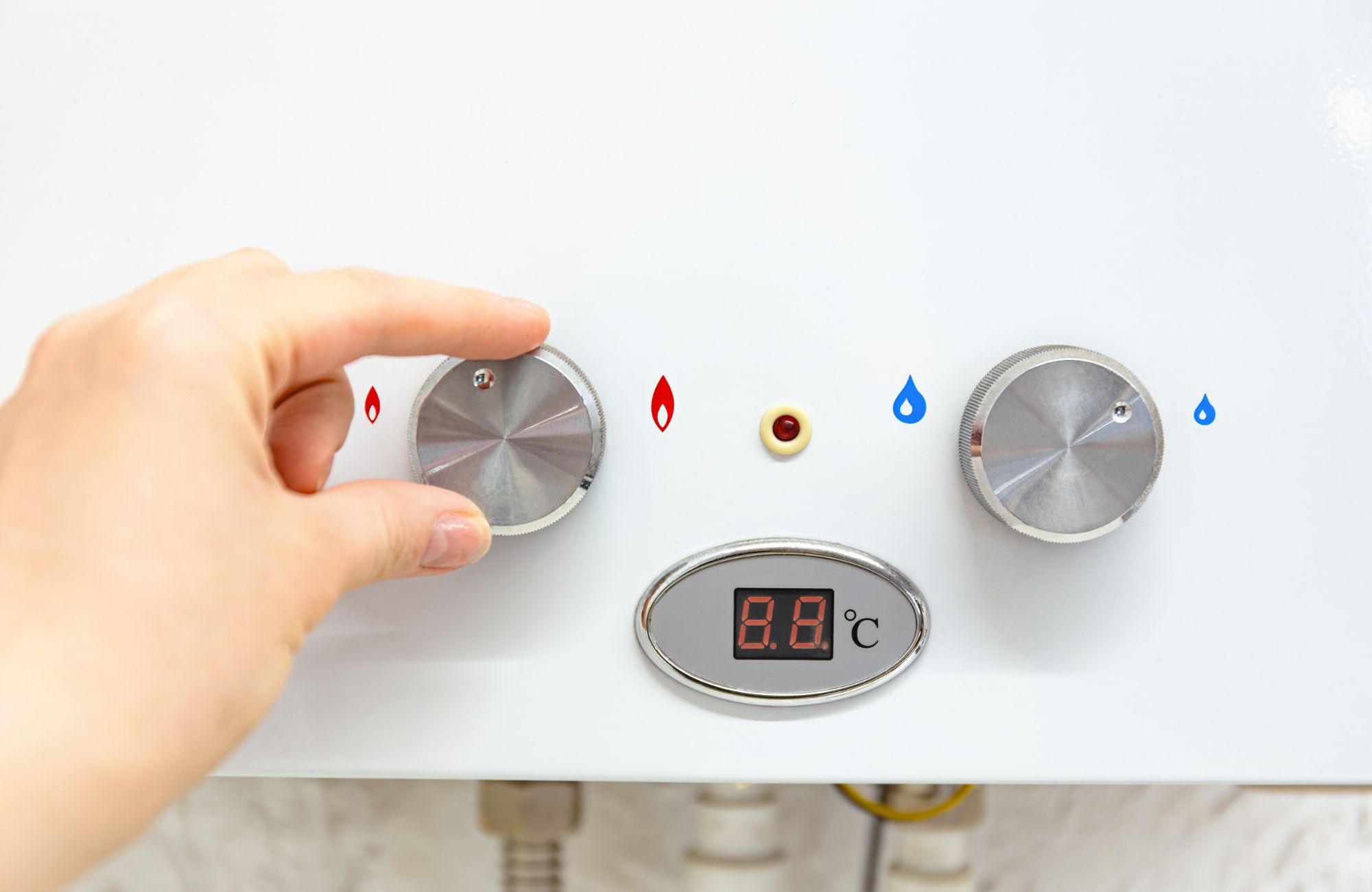
It’s fairly easy to adjust your water heater temperature by tweaking the thermostat dial. Here’s how you can do it:
- Find the Thermostat: Most water heaters have thermostats located near the top of the tank. You’ll find a thermostat dial that lets you adjust the temperature setting.
- Adjust the Temperature: For a safe and optimal temperature, set the thermostat to 120°F. For tankless water heaters, follow the manufacturer’s instructions for adjusting the temperature, as they can differ from traditional systems.
- Test the Water: Once the water heater is adjusted, run hot water from the tap farthest from the tank to check the current temperature. Use a thermometer to ensure it’s at the right setting.
If you have a tankless water heater, you can adjust the temperature setting on the unit itself. Many modern models come with easy-to-use digital thermostats that allow for precise adjustments.
How High Should My Water Heater Be Set for a Dishwasher?
If you’re wondering whether your water heater needs to be hotter for things like a dishwasher, here’s what you need to know:
- Dishwasher Settings: Most dishwashers require a water temperature of around 130°F for optimum cleaning. If your water heater is set to 120°F, your dishwasher might not perform as well. You can adjust the water heater temperature slightly higher for better results, but don’t exceed 130°F to avoid scalding risks.
- Booster Heater: Some dishwashers have built-in booster heaters to raise the water temperature to the necessary level. If your dishwasher doesn’t have this, you may need to set the water heater temperature to 130°F.
When Should You Call a Plumber About Your Water Heater?
If you notice any of these issues with your water heater, it’s time to call a plumber:
- Inconsistent Water Temperature: If the temperature fluctuates or you can’t seem to get the right temperature, your thermostat might need an adjustment, or there could be a more significant issue.
- Strange Noises: If your hot water tank is making strange sounds, this may indicate mineral buildup or other issues that need professional attention.
- Leaks: Water around the base of the tank could indicate a leak, which can lead to costly damage if not addressed quickly.
Conclusion
The best water heater temperature for most homes is 120°F. This setting strikes the right balance between safety, comfort, and energy efficiency. By adjusting your water heater temperature to the correct setting, you can reduce the risk of scalding, prevent harmful bacteria growth, and save on energy costs. Whether you have an electric water heater or a tankless water heater, setting the right temperature will keep your home safe and your utility bills low.
If you’re unsure about how to adjust your water heater or need assistance with maintenance, Prestige Water Group is here to help. Our licensed plumbers can ensure your water heater is running at its best. Contact us today for reliable, professional plumbing services in Northern New Jersey!
FAQs
Is 135°F too hot for a water heater?
Yes, 135°F is too hot and can cause scalding, especially for children and older people. The recommended safe temperature is 120°F.
What temperature should a 40-gallon water heater be set at?
A 40-gallon water heater should be set to 120°F for optimal safety, comfort, and energy efficiency.
What is the highest temperature you should set your water heater to?
The highest safe temperature is 140°F, but 120°F is usually recommended to avoid scalding and save on energy.
Is 110°F too low for a water heater?
Yes, 110°F is too low. It may not provide sufficient hot water and could promote bacterial growth. Set it to 120°F for better performance.